
The 2018 FIFA World Cup was a remarkable event that captured the hearts of millions around the globe. This tournament was not just about football; it was a story filled with drama, passion, and unforgettable moments. Fans witnessed thrilling matches that showcased the very best of international football.
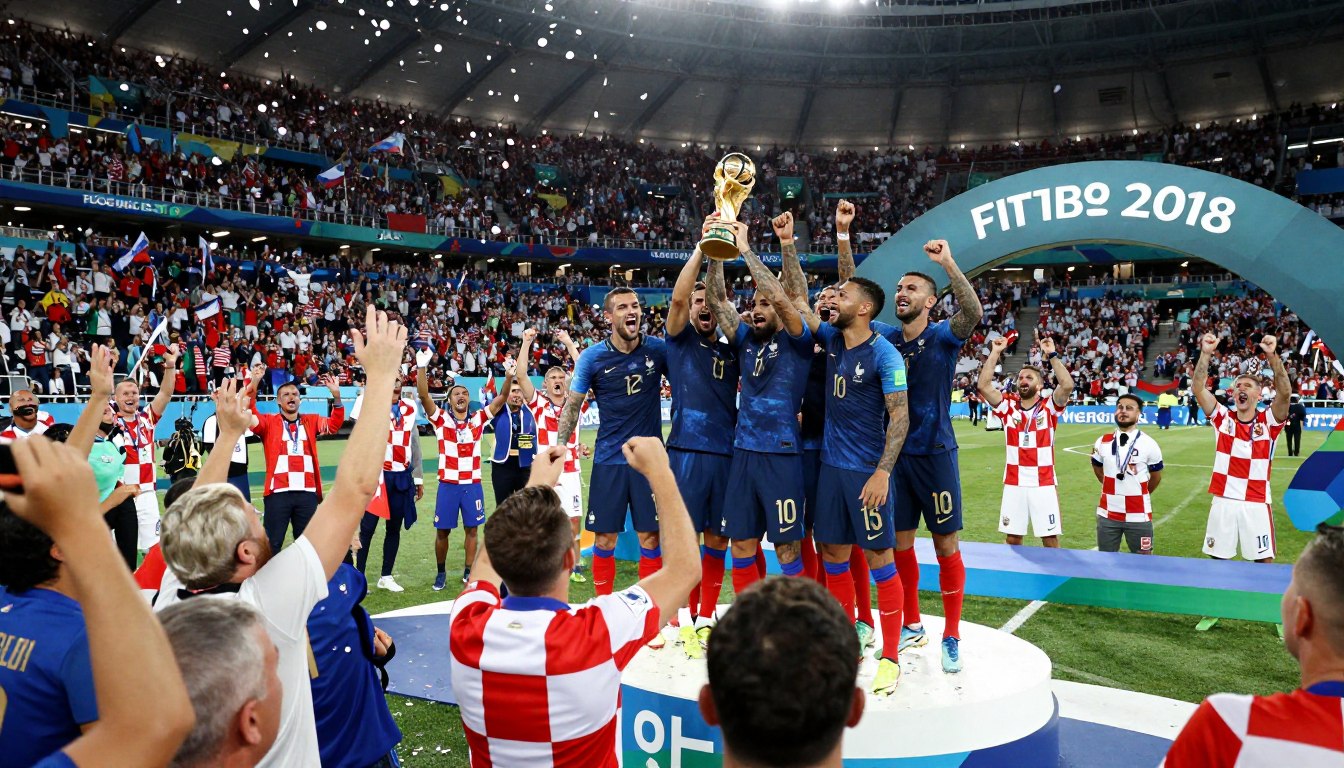
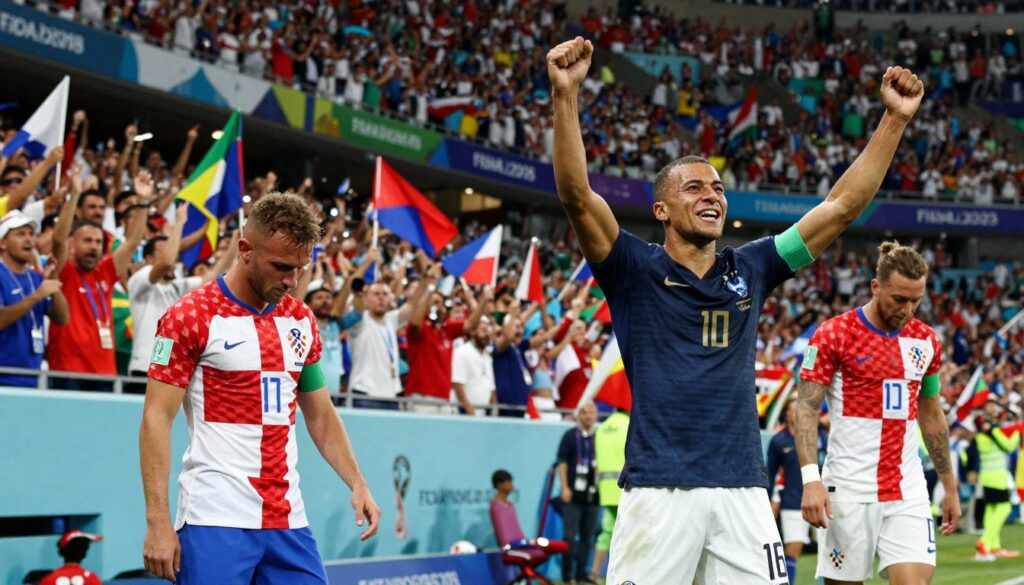
In the final match held on July 15, 2018, at the Luzhniki Stadium in Moscow, France faced Croatia. This clash was not only significant for the teams but also for the fans who had invested their hopes and dreams in this tournament. France emerged victorious, claiming their second title in a match that ended 4-2, a testament to their skill and determination.
Throughout this guide, we will delve into the tactics and performances that defined this incredible tournament. We will also highlight the journey of every national team, celebrating the upsets and the Cinderella stories that made this event truly unforgettable.
Introduction to the 2018 FIFA World Cup
In 2018, the world witnessed a football tournament like no other. The excitement built as 32 teams competed for glory in a month-long celebration of the sport. This tournament was the 21st edition of the prestigious championship, showcasing the best talent from around the globe.
Spanning from 14 June to 15 July, the tournament featured 64 matches played across 12 venues in 11 host cities. For the first time in history, the competition took place in Eastern Europe, with Russia as the proud host nation. The thrill of the group stage was palpable, especially when defending champions Germany faced an unexpected early exit.
With an estimated 3.57 billion viewers, this event solidified its status as the most widely followed sporting event on the planet. Fans were treated to a display of incredible athleticism and tactical innovation, leaving a lasting legacy that continues to influence football today.
Host Selection and the Russian Backdrop
Russia’s selection as the host for this prestigious event marked a turning point in its global image. On December 2, 2010, the FIFA Executive Committee awarded the hosting rights after a competitive bidding process in Zürich. This decision came with high expectations and significant infrastructure investments.
Renovations to the Luzhniki Stadium were necessary to meet international standards. However, the excitement was tempered by political challenges. The tournament faced international criticism regarding human rights issues, particularly concerning labor conditions for workers at the Zenit Arena.
FIFA president Gianni Infantino addressed these controversies, emphasizing the need for improvements. Security was also a priority, with strict measures implemented to ensure the safety of players and fans throughout the tournament. While the bid for the cup in Russia was ultimately successful, it sparked ongoing debates about FIFA’s selection criteria for future host nations.
Group Stage Drama and Memorable Matches
The group stage of this global tournament brought surprises that left fans on the edge of their seats. It was a phase marked by intense competition and unexpected outcomes.
One of the most shocking moments was the early exit of defending champions Germany, a first since 1938. This unexpected turn of events added to the excitement of the matches.
Additionally, Iceland and Panama made their debut appearances, showcasing the diverse dynamics of the teams involved. Every match carried immense weight as nations fought hard to secure their spots in the knockout rounds.
- Tactical discipline was crucial, with underdogs frequently challenging established football powers.
- The intensity of each match highlighted the global growth of the sport.
- Smaller nations proved they could compete on the biggest stage.
By the end of the group stage, the field of 32 teams was narrowed down, setting the stage for the high-stakes knockout phase.
Knockout Stage Thrills
The knockout stage introduced an electrifying atmosphere, as teams faced the harsh reality of elimination. Every match became a battle for survival, raising the stakes for players and fans alike.
One of the standout moments came when France triumphed over Argentina in a breathtaking 4-3 match. This encounter is often hailed as the best of the tournament, showcasing the skill and determination of both teams.
Meanwhile, Croatia demonstrated remarkable resilience. They became the second team in history to win two penalty shoot-outs in a single tournament, showcasing their mental strength under pressure.
Many matches extended into extra time, testing players’ endurance and resolve. The journey to the semifinals was filled with dramatic comebacks and tactical brilliance from the elite teams.
Fans were treated to high-quality football as the tournament narrowed down to the final four contenders, all vying for glory.
| Match | Teams | Score | Outcome |
|---|---|---|---|
| Round of 16 | France vs Argentina | 4-3 | France Advances |
| Quarterfinals | Croatia vs Russia | 2-2 (4-3 Penalties) | Croatia Advances |
| Semifinals | France vs Belgium | 1-0 | France Advances |
France’s Road to World Cup Glory
France’s journey to glory was marked by exceptional strategy and teamwork. Under the guidance of Didier Deschamps, the team showcased a balanced approach that proved effective throughout the tournament.
Deschamps, a champion both as a player and manager, used his past experiences to shape the team’s tactics. His strategic mastery was evident in every match, particularly during the crucial semifinal against Belgium, where France secured a narrow 1-0 victory. This match highlighted their defensive prowess and tactical discipline.
Key players like Antoine Griezmann and Paul Pogba rose to the occasion, delivering standout performances when it mattered most. The final match against Croatia was a testament to their hard work, culminating in a well-deserved victory that secured their second title.
France’s path to success was not just about winning matches; it was about building a cohesive team that could withstand pressure and rise to challenges. With this triumph, they cemented their status as one of the most successful nations in football history.
| Match | Teams | Score | Outcome |
|---|---|---|---|
| Semifinals | France vs Belgium | 1-0 | France Advances |
| Final | France vs Croatia | 4-2 | France Wins |
Croatia’s Cinderella Story
Croatia’s journey in the tournament became a captivating tale of perseverance and triumph. The team captured the hearts of fans worldwide, reaching their first-ever world cup final. Their remarkable grit was evident as they won three consecutive matches that extended into extra time, showcasing their resilience.
Despite being considered underdogs, Croatia defeated major football powers. This achievement proved that talent and heart can overcome any obstacle. The final match against France marked a historic moment for the nation, symbolizing the peak of their golden generation’s career.
Every match played by Croatia was a battle. They consistently fought back from deficits, keeping their world cup dreams alive. Their performance in this tournament remains one of the most inspiring narratives in the history of the world cup.
2018 FIFA World Cup: Highlights and Legacy
With unforgettable matches and a vibrant atmosphere, this event became a highlight in the world of sports. The legacy of the tournament is defined by the emergence of young stars and the tactical evolution of the modern game.
This tournament showcased how a well-organized team can overcome individual brilliance, as seen in the success of the French squad. Highlights from every match continue to be studied by coaches and analysts who seek to understand the winning strategies of this incredible event.
The world cup left a lasting impact on Russia, with new stadiums and infrastructure projects serving as a reminder of the event. Fans will always remember the tournament for the passion displayed by players and the incredible atmosphere in every host city.
As we look back, the world cup stands as a benchmark for how to organize and execute a global football celebration.
| Highlight | Description | Impact |
|---|---|---|
| Emergence of Young Stars | New talents showcased their skills on the global stage. | Inspired future generations of players. |
| Tactical Evolution | Teams adapted strategies for success. | Changed how football is played today. |
| Infrastructure Development | New stadiums and facilities built in host cities. | Boosted local economies and tourism. |
Tactical Analysis and Coaching Impact
Tactical decisions played a crucial role in shaping the outcomes of matches during the tournament. Teams showcased a blend of defensive strength and quick counter-attacks. This shift in strategy was evident as the competition progressed.
France and Croatia employed contrasting strategies in the final match. The French team utilized a 4-4-2 formation, focusing on structure and organization. In contrast, Croatia opted for a 4-1-4-1 setup, emphasizing midfield creativity.
The coaching impact was significant, with managers making critical adjustments to counter their opponents’ strengths. Didier Deschamps and Zlatko Dalić demonstrated how a clear tactical vision can lead a team to success.
Midfield control emerged as a defining factor in the tournament. Teams that dominated the center of the pitch found the most success. The 2018 tournament proved that tactical flexibility is essential for any team hoping to thrive in the knockout phase.
Star Performers and Award Winners
In a tournament filled with talent, specific players captured the spotlight with their skills. The achievements of these athletes not only defined the event but also left a lasting legacy in football history.
The Golden Ball was awarded to Luka Modrić for his exceptional leadership and playmaking ability throughout the tournament. His influence was crucial in guiding Croatia to their first final.
Harry Kane secured the Golden Boot by scoring 6 goals, proving his status as one of the most clinical strikers in the game. His scoring prowess was a key factor in England’s journey.
Kylian Mbappé emerged as a global superstar, earning the Best Young Player award after his brilliant performance in the final match. His speed and skill made him a nightmare for defenders.
These star performers defined the tournament, with each player leaving an indelible mark on its history:
- Luka Modrić controlled the tempo of every match he played.
- Harry Kane showcased his striking abilities consistently.
- Kylian Mbappé solidified his legacy as a future legend.
| Award | Winner | Achievement |
|---|---|---|
| Golden Ball | Luka Modrić | Exceptional leadership and playmaking |
| Golden Boot | Harry Kane | Top scorer with 6 goals |
| Best Young Player | Kylian Mbappé | Outstanding performance throughout |
Memorable Moments and Controversies
Memorable moments often define the essence of any major sporting event. The final match was filled with drama, including the first own goal in a world cup final scored by Mario Mandžukić. This unexpected turn added a unique twist to the narrative of the match.
Controversies regarding penalty decisions sparked intense debate among fans and pundits following the final match in Moscow. Historic firsts, such as the use of VAR, changed the way every match was officiated during the tournament.
While the red card history of the tournament was relatively quiet, every disciplinary decision was scrutinized by the global audience. France’s 4-2 victory in the final was a goal-fest that kept fans on the edge of their seats until the final whistle.
These memorable moments, from the first goal to the final celebration, are what make the world cup the greatest show on earth.
Impact of Technology: VAR and Beyond
Technology has become a game-changer in the realm of sports, especially in football. The introduction of VAR (Video Assistant Referee) marked a significant milestone in how matches are officiated during the tournament.
During the final match, VAR played a crucial role in awarding a penalty that helped France secure their lead. This moment highlighted the importance of accurate decision-making in high-stakes situations.
While controversial, the use of technology ensured that every goal was reviewed for accuracy, changing the outcome of several matches. The tournament served as a testing ground for VAR, setting a precedent for future international competitions.
Fans and players had to adapt to this new system, which added a layer of suspense to every goal scored during the tournament. Technology continues to evolve, but this event will always be remembered as the moment VAR changed the game forever.
| Aspect | Description | Impact |
|---|---|---|
| VAR Introduction | First use in a World Cup final | Enhanced decision accuracy |
| Penalty Awarded | Crucial penalty for France | Shifted match momentum |
| Review Process | Goals reviewed for accuracy | Changed match outcomes |
Fan Experience and Global Television Viewership
The captivating experience of the tournament drew in billions of viewers from all corners of the world. With an estimated 3.57 billion people tuning in, it became clear that the event transcended mere sport.
The energy in the stadiums was electric. Fans from every participating team created an unforgettable atmosphere in Russia. Each match was a celebration of culture, with supporters showcasing their unique traditions.
Television viewership reached record levels, proving that the tournament remains a powerful unifying force in global sports. The experience of attending a match is unparalleled, and the event set a high bar for future hosts.
Digital engagement also flourished, allowing fans to follow their teams in real time. This further expanded the reach of the tournament across the globe.
| Aspect | Details |
|---|---|
| Global Viewership | 3.57 billion viewers |
| Stadium Atmosphere | Electric energy from fans |
| Television Records | Record viewership levels |
| Digital Engagement | Real-time updates for fans |
Economic and Cultural Implications of the Tournament
The economic and cultural implications of the tournament were far-reaching, impacting host cities and nations alike. Hosting such a grand event required a massive financial investment, with costs exceeding $14.2 billion. This significant expenditure transformed the local landscape and infrastructure.
The cultural impact was profound as Russia welcomed millions of visitors from around the globe. Local economies in host cities saw a boost, with tourism and investment pouring into previously quiet regions. Beyond mere finances, the tournament fostered cultural exchange, allowing fans from different nations to share their love for the beautiful game.
Every match served as a platform for national pride, with each team representing the values and spirit of their home country. The long-term economic legacy of the tournament continues to be felt, as the infrastructure built for the event still serves the public today.
Media Buzz and Social Media Engagement
The digital landscape buzzed with excitement as fans engaged with the tournament like never before. Social media transformed the way supporters experienced the matches, allowing viral moments to spread across the globe in seconds.
Digital storytelling enabled media outlets to provide in-depth coverage of every team, bringing the tournament closer to the fans. The buzz surrounding each match was amplified by online platforms, creating a constant stream of conversation throughout the event.
- Influencers and players used social media to share their world cup journey, humanizing the stars of the beautiful game.
- The tournament set a new standard for digital engagement, proving that it is a year-round conversation.
- Fans connected with their team like never before, making the tournament a truly interactive global experience.
Evolution and Future of the FIFA World Cup
As the landscape of international football evolves, exciting changes are on the horizon. The tournament is set to expand to 48 teams starting in 2026, marking a significant milestone in its history.
Future generations of players are already training to compete in the next world cup, inspired by the legends of the past. The success of previous tournaments provides a blueprint for managing a larger field of teams in the future.
Every match in the coming years will be influenced by the tactical and technological lessons learned during past competitions. FIFA remains committed to growing the game, ensuring that the tournament remains the pinnacle of international football for years to come.
As the tournament grows, the spirit of the world cup will continue to inspire millions of young fans to dream of glory.
Conclusion
This monumental tournament has left an indelible mark on the history of international football. The victory of France and the inspiring journey of Croatia will be remembered as defining narratives of this unforgettable tournament.
From the first match to the final whistle, the event proved once again why it is the most prestigious competition in sports. We have explored the tactical, cultural, and technological impacts that made this tournament a landmark moment.
As we look toward the future, the legacy of this tournament will continue to shape the evolution of the beautiful game. Thank you for joining us on this comprehensive journey through the event, a true celebration of global football.
FAQ
What was the significance of the 2018 tournament?
Who were the standout players of the tournament?
How did technology impact the matches?
What were some memorable moments from the knockout stage?
How did the host country prepare for the event?
What controversies arose during the tournament?
How did the tournament affect the local economy?
What was the fan experience like at the matches?
What legacy did the tournament leave behind?
Explore More World Cup History
← 2014 FIFA World Cup | 2022 FIFA World Cup → | France at the World Cup | Mbappé at the World Cup | Complete World Cup History