
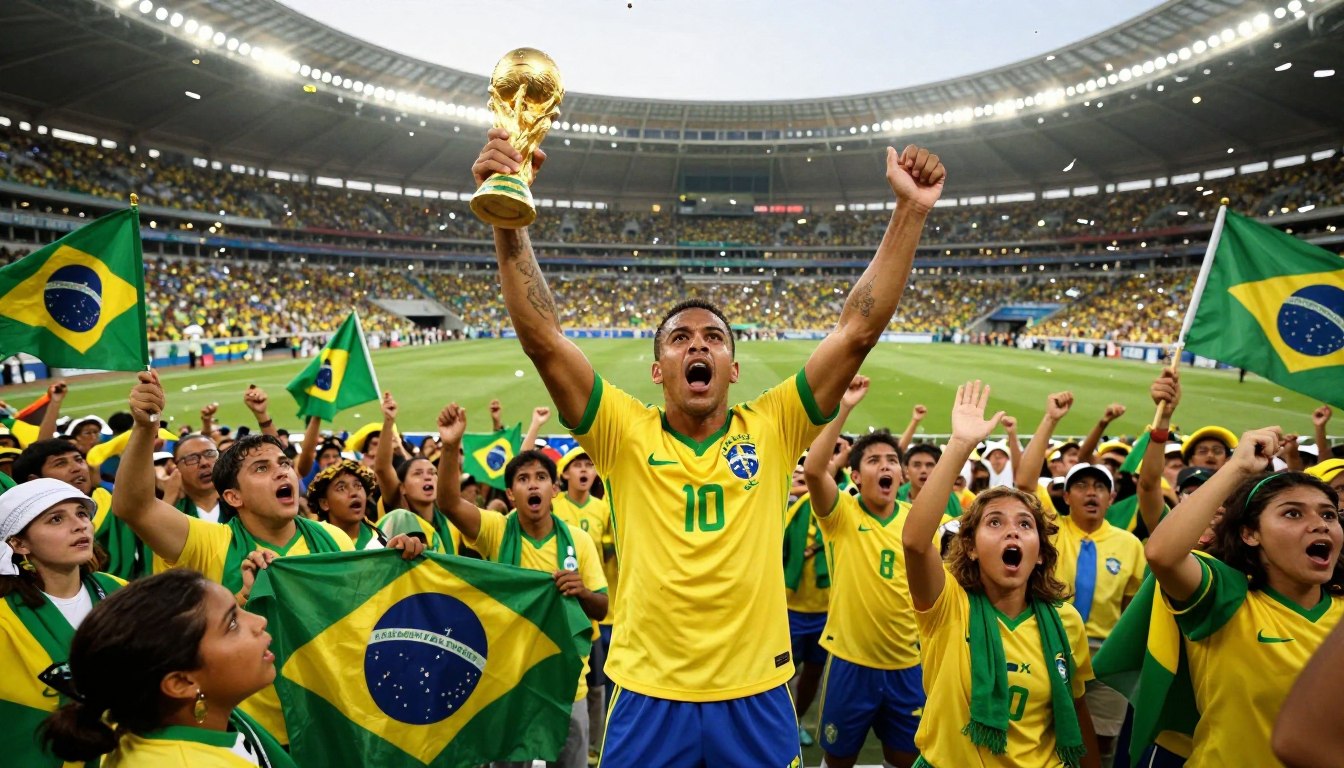

The 2002 FIFA World Cup marked a pivotal moment in sports history. This was the first time the tournament took place in Asia, captivating fans worldwide. From May 31 to June 30, 2002, 32 national teams competed fiercely for the ultimate football trophy.
This event not only showcased thrilling matches but also highlighted the rise of Brazil, who clinched their fifth title. The excitement was palpable as fans gathered to witness unforgettable moments that defined a generation.
In this guide, we will explore the 2002 world cup, detailing the dramatic encounters and the cultural impact of this historic tournament. Join us as we delve into the matches, the teams, and the controversies that shaped this remarkable chapter in football history.
Key Takeaways
- The tournament was a landmark event, being the first held in Asia.
- Fans from around the globe tuned in to witness 32 teams compete.
- Brazil’s victory marked their fifth title in this prestigious tournament.
- The event changed the landscape of international sports.
- Shocking upsets and legendary performances defined the competition.
Overview of the 2002 FIFA World Cup
A unique chapter in sports history unfolded during this competition. The event showcased 64 thrilling matches held across 20 different world cup stadium venues. It attracted a total attendance of 2,705,197 passionate fans eager to witness the action.
Throughout the tournament, an impressive 161 goals were scored, averaging 2.52 goals per match. Each match report highlighted the intensity of the round of 16 and knockout stages, where every team faced fierce competition.
Key milestones included the debut of four nations, showcasing the growing global reach of the sport. Additionally, the finals were decided by a single game in Yokohama, marking a significant moment in the tournament’s history.
| Statistic | Value |
|---|---|
| Total Matches | 64 |
| Total Goals | 161 |
| Total Attendance | 2,705,197 |
| Average Goals per Match | 2.52 |
Historical Context and Significance
The 2002 tournament represented a significant turning point in global football. It was the first time the event took place in Asia, reshaping the landscape of the sport. This historic milestone brought together nations from all corners of the globe, showcasing the diversity of talent and culture.
Four nations made their World Cup debuts: Senegal, China, Ecuador, and Slovenia. Their participation highlighted the world cup as a truly global event. Notably, South Korea reached the semi-finals, becoming the first team outside UEFA, CONMEBOL, or CONCACAF to achieve this feat. This accomplishment remains a highlight in the cup history of the tournament.
Every match report from that era emphasizes the significance of the fifa world cup in bridging cultural gaps between host nations. The tournament format allowed for a diverse range of teams to compete, ensuring that each game was highly competitive. As we analyze this period, we see how the world cup 2002 expanded its reach, with each round bringing new excitement to fans.
| Significant Events | Description |
|---|---|
| Debut Nations | Senegal, China, Ecuador, Slovenia |
| Historic Achievement | South Korea in semi-finals |
| Cultural Impact | Bridging gaps between nations |
| Competitive Format | Diverse teams and thrilling matches |
Host Selection and Venue Details
In a groundbreaking decision, South Korea and Japan were selected as co-hosts for the prestigious tournament. This marked the first time the event was shared by two nations, showcasing a spirit of collaboration. Each world cup stadium, including the renowned International Stadium in Yokohama, was either built or renovated to accommodate the massive influx of fans.
The partnership between Japan and South Korea created a unique cup stadium experience, with matches held across 20 different cities. Every match report from the tournament highlighted the vibrant atmosphere in each venue, where local fans passionately supported their teams. This enthusiasm was palpable and added to the excitement of the competition.
Managing the tournament required a complex schedule to ensure every game was played in a suitable venue. The refereeing and penalty decisions during the matches were closely scrutinized, yet the venues themselves received praise for their modern designs. By examining the goals scored and the players involved, we can appreciate how the host nations prepared for the finals of this global competition.
| Venue | City | Capacity |
|---|---|---|
| International Stadium | Yokohama | 72,372 |
| Seoul World Cup Stadium | Seoul | 66,704 |
| Okinawa Stadium | Okinawa | 45,000 |
Tournament Format and Qualification Process
The path to glory in this prestigious tournament began long before the first whistle blew. A total of 199 teams attempted to qualify for this remarkable event. The preliminary draw took place in Tokyo on December 7, 1999, setting the stage for an exciting competition.
The tournament featured a group stage where 32 teams were divided into eight groups. Each group played in a specific world cup stadium, showcasing the best of football talent. South Korea and Japan qualified automatically as hosts, while other teams faced a rigorous qualification process.
Every match report highlights the intensity of the group stage. Each game was crucial for advancing to the next round. The knockout stage created a high-pressure environment, where a single penalty or missed goal could end a team’s dreams.
As we analyze the time when the draw was finalized, we see how each round was structured to ensure fair play. The performance of each player and the decisions made by the referee were vital in determining which teams progressed to the final stage.
Shocking Upsets and Surprises
The tournament was filled with unexpected twists that left fans in shock. This event saw the defending champions, France, exit in the group stage with only one point and zero goals. Similarly, Argentina, another favorite, also failed to advance, showcasing that any team can be defeated in this fierce competition.
Every match report from that time captured the disbelief of fans as top teams struggled in various world cup stadiums. South Korea’s remarkable run to the semi-finals electrified the home crowd and the entire cup stadium. The tournament format meant that every game posed a potential trap for the world’s best teams.
As we look back at the time when favorites fell, we note how each round brought new surprises. The refereeing and tactical shifts were crucial in these upsets, as every player fought for their place in history. By examining the goals and the finals, we see how this tournament remains a testament to the unpredictability of football.
| Upset | Details |
|---|---|
| France | Eliminated in group stage with 1 point and 0 goals |
| Argentina | Failed to advance past group stage |
| South Korea | Reached semi-finals, surprising fans |
The Rise of Brazil – Shaping a Winning Legacy
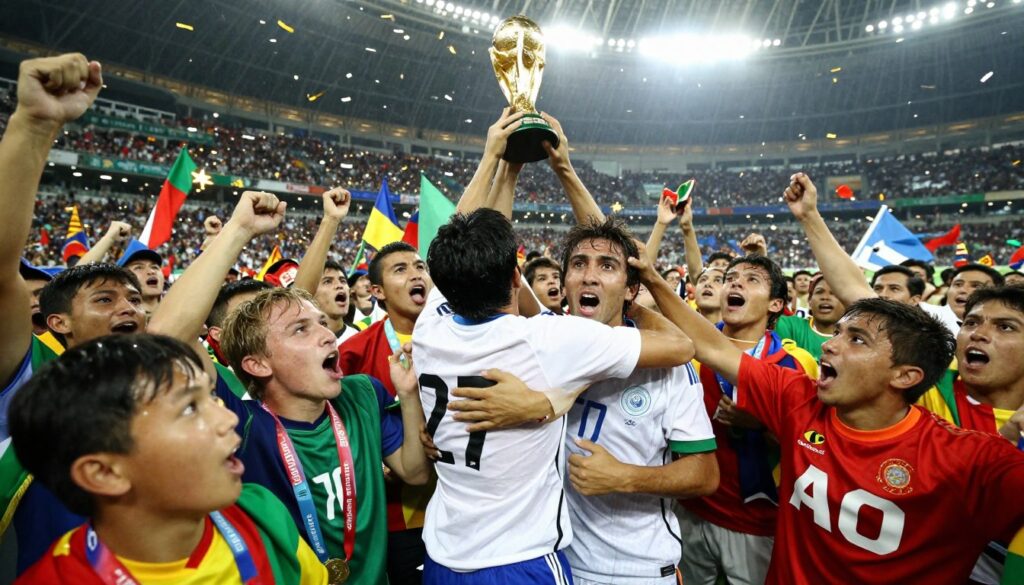
Brazil’s journey through this tournament was a masterclass in skill, strategy, and determination. They secured their fifth world cup title in 2002, cementing their legacy as the most successful team in the history of the competition.
Under the management of Luiz Felipe Scolari, the Brazilian team displayed a winning mentality in every world cup stadium they visited. Every match report details how the team overcame challenges in the group stage to reach the final in Yokohama.
The journey to the final was marked by strategic masterstrokes, with each player contributing to the success of the team. We analyze the time when Brazil dominated the tournament, noting how each round and each stage brought them closer to the trophy.
The refereeing and the penalty decisions in each game were handled with composure by the Brazilian team. By examining the goals and the finals, we see how Brazil’s performance in the 2002 world cup remains a benchmark for excellence.
The team’s ability to adapt to the conditions in South Korea and Japan was a key factor in their historic victory.
Game-Changing Matches and Match Reports
Each game in this tournament unfolded with excitement, showcasing the spirit of competition. The 2002 world cup featured many game-changing matches, including the thrilling final where Brazil defeated Germany 2-0. Every match report from the tournament highlights the intensity of the group stage battles and the drama of the knockout encounters.
Fans in every world cup stadium witnessed history as teams fought for their place in the next round of the competition. The third-place match between Turkey and South Korea was a memorable game that showcased the spirit of the tournament.
We look back at the time when these matches were played, noting how each round and each stage provided unforgettable moments. The refereeing and the penalty shootouts in each game were central to the outcome of these high-stakes matches.
By examining the goals and the players, we see how these encounters shaped the legacy of the 2002 world cup. The tournament proved that any team, regardless of their history, could make an impact on the world stage.
Tactical Analysis and Playing Styles
In this tournament, tactical innovation took center stage as teams navigated the challenges of competition. Coaches implemented various strategies to adapt to the unique conditions presented by the Asian climate. This adaptability was crucial for success.
One standout approach was the “bullyboy soccer” style introduced by Luiz Felipe Scolari. This aggressive tactic emphasized physicality and control, allowing Brazil to dominate their matches. Every match report highlighted how this style defined their performance.
Throughout the group stage, teams adjusted their formations to meet the demands of each game. Flexibility became essential, especially during the knockout rounds, where each player had to adapt their role. The tactical discipline often influenced refereeing and penalty decisions.
By examining the goals scored and the players’ performances, we see how strategic thinking played a vital role in the finals. The tournament remains a masterclass in how tactics can triumph over raw talent on the global stage.
Star Players and Their Impact
Star players emerged as key figures, shaping the narrative of the competition. Their performances captivated fans and left a mark on the tournament’s history.
Ronaldo’s Redemption and Brilliance
Ronaldo’s redemption story was the highlight of the event. He scored an impressive 8 goals, leading Brazil to victory. His talent shone brightly in every match, culminating in his recognition as the man of the match in the final.
Defensive Leadership by Oliver Kahn
On the other end of the pitch, Oliver Kahn provided incredible defensive leadership. His remarkable skills earned him the Golden Ball as the tournament’s best player. Every match report celebrated his contributions, showcasing his impact in every world cup stadium.
Both players proved their worth during the group and knockout stages. Their performances were pivotal in shaping the tournament’s outcome. As we reflect on their legacies, it’s clear they became icons of this world cup.
| Player | Achievements |
|---|---|
| Ronaldo | 8 goals, Man of the Match in the final |
| Oliver Kahn | Golden Ball winner, exceptional defense |
Controversies and Refereeing Highlights
Controversies often shape the narrative of major sporting events, and this tournament was no exception. The matches were marked by significant disputes, especially concerning officiating decisions in games involving South Korea.
The match between Italy and South Korea generated a staggering 400,000 complaints, highlighting the intense scrutiny of every official in the world cup stadium. Similarly, Spain faced frustration when two of their goals were controversially disallowed in a single game against South Korea.
These incidents sparked a global debate about the role of referees in both the group and knockout stages of the competition. Every match report from that time details how these officiating decisions impacted teams and their fans.
As we analyze the time when these controversies occurred, we note how each round was affected by the officiating. The penalty decisions and red cards often led to heated discussions among players and supporters alike.
By examining the goals and the finals, we see how these controversies became a permanent part of the tournament’s legacy. This event proved that even the most prestigious competitions are not immune to human error and debate.
2002 FIFA World Cup: A Comprehensive Look at Teams and Strategies
Exploring the dynamics of the teams in this tournament reveals the depth of strategy involved. A total of 32 teams qualified from five confederations, showcasing a variety of playing styles and tactics. Notably, debutants like China, Ecuador, Senegal, and Slovenia added excitement to the competition.
Every match report highlights how these teams prepared for the challenges ahead. Their journeys through the group stage tested their resolve and skill. Coaches meticulously planned strategies, adapting to each opponent.
The atmosphere in every world cup stadium was electric, as fans witnessed thrilling matches. The refereeing and penalty decisions played a significant role in shaping outcomes. By examining the goals scored and the finals, we see how this tournament celebrated the passion of international football.
Technology and Innovations in the 2002 Tournament
Technological advancements played a crucial role in shaping the competition during this tournament. Two notable innovations were the introduction of the Golden Goal rule and the Adidas Fevernova match ball.
The Golden Goal rule, which allowed matches to end immediately upon a goal in extra time, was utilized for the last time in this tournament. This controversial feature impacted both the group and knockout stages, adding suspense to each match.
The Golden Goal Rule and Its Final Use
Many fans and players debated the effectiveness of this rule. Every match report discussed how it influenced the dynamics of the games, often leading to thrilling finishes.
Adidas Fevernova: A Technological Innovation
The Adidas Fevernova was the official match ball, featuring vibrant Asian-inspired colors. This design reflected the cultural exchange that defined the tournament. The unpredictable flight of the Fevernova often affected the flow of the game, challenging players and referees alike.
Overall, the tournament remains a landmark for its willingness to experiment with the rules and the equipment of the sport. By examining the goals and the finals, we see how technology has played a role in the evolution of the game.
| Innovation | Description |
|---|---|
| Golden Goal Rule | Last used in this tournament, allowing immediate end of matches in extra time. |
| Adidas Fevernova | Official match ball with Asian-inspired design, affecting game dynamics. |
| Impact on Matches | Technological changes influenced the flow and outcomes of games. |
Global Impact and Media Coverage
The global reach of the tournament left an indelible mark on football history. An estimated 1.1 billion people watched the final match, showcasing the event’s immense popularity. This exposure helped elevate the sport to new heights, captivating fans in every corner of the globe.
Media coverage of the tournament was extensive, bringing the excitement of each match to audiences worldwide. Every match report highlighted how the event became a central part of the global sports calendar. The reach of the competition was unprecedented, with players and teams becoming household names.
We analyze the time when the tournament captured the global imagination. Each round and stage was covered by the media, making it impossible to ignore. The refereeing and penalty decisions in each game sparked discussions among fans and experts alike.
By examining the goals and the finals, we see how this tournament set a new standard for media coverage in international sports. It proved that football is a universal language, uniting people from all walks of life.
| Aspect | Details |
|---|---|
| Global Viewership | 1.1 billion viewers for the final |
| Media Coverage | Extensive reports on every match |
| Impact on Players | Teams and players became household names |
| Universal Appeal | Football united fans worldwide |
Legacy and Influence on Future World Cups
The legacy of this tournament extends far beyond its final whistle. The 2002 event set a precedent for future competitions, particularly in the evolution of tournament formats. It showcased the potential for co-hosting, paving the way for future events like the 2026 World Cup in North America.
Moreover, the success of the tournament in Asia inspired bids from non-traditional regions. This shift reflects a growing acceptance of diverse cultures in hosting global competitions.
- The legacy of the tournament is evident in the evolution of formats and the use of every world cup stadium for future events.
- The co-hosting model inspired subsequent events, including the 2026 World Cup.
- Every match report from the tournament serves as a reference for managing the group and knockout stages of global competitions.
- The influence of this tournament is still felt in how the sport is played today.
- We look at the time when the world cup changed forever, noting how each round provided lessons for future organizers.
- The refereeing and penalty decisions in each game were studied to improve officiating quality in future tournaments.
- By examining the goals and finals, we see how this tournament remains a cornerstone of international football history.
- The event proved that the world cup can be a catalyst for growth and development in any host nation.
Fan Experience and Cultural Celebrations
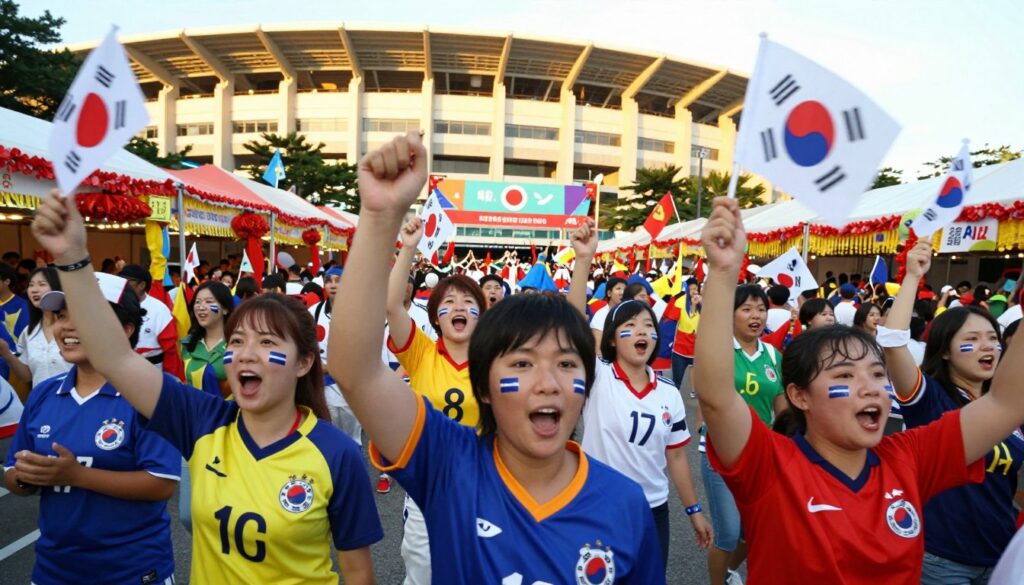
Fans flocked to Japan and South Korea, eager to witness the thrilling spectacle of the tournament. The fan experience at this event was defined by the incredible atmosphere in every world cup stadium and the cultural exchange between the two host nations.
Spectators from around the globe gathered to watch the group stage and the knockout stage, creating a vibrant and diverse environment. Every match report from the time captures the joy of the fans as they celebrated every goal and every win for their team.
Stadium Atmospheres and Spectator Insights
The cultural celebrations in each city were a testament to the power of the world cup to bring people together. We explore the time when these fans united, noting how each round and each stage was a celebration of the sport.
Cultural Exchange Between Host Nations
The refereeing and the penalty decisions in each game were part of the shared experience of the fans in the stands. By examining the goals and the finals, we see how this tournament created memories that will last a lifetime for every fan.
The event remains a shining example of how football can foster friendship and understanding between different cultures.
Conclusion
This tournament left an unforgettable mark on the hearts of fans and players alike. The 2002 world cup remains a historic event that showcased the best of football in every world cup stadium across Japan and South Korea. From the group stage to the final, the tournament provided unforgettable moments that defined the careers of every player and every team.
We have explored the controversies, the tactical innovations, and the cultural impact that made this competition a landmark in world cup history. The legacy of the 2002 tournament continues to influence the way the world cup is organized and experienced by fans today.
As we look back at the goals, the matches, and the drama, it is clear that this event was a true celebration of the sport. This ultimate guide has provided a comprehensive look at the tournament, ensuring that the memories of 2002 are preserved for future generations.
FAQ
What was significant about the 2002 tournament?
Which teams surprised everyone during the matches?
Who were the standout players of the tournament?
What were some memorable matches from the tournament?
How did technology play a role in the tournament?
What was the fan experience like during the event?
How did the tournament influence future events?
Explore More World Cup History
← 1998 FIFA World Cup | 2006 FIFA World Cup → | Ronaldo R9: From Injury to Redemption | Brazil at the World Cup | 10 Greatest World Cup Upsets