
The 2010 FIFA World Cup was a landmark event in the history of international football. It was the first time this prestigious tournament took place on the African continent. This unique setting brought together 32 national teams, all eager to compete for the ultimate prize in the sport.
In this ultimate guide, we will explore how this tournament showcased the tactical brilliance of Spain’s golden generation. Their journey led them to secure their first-ever world title, a moment that will forever be etched in football history.
Moreover, we will delve into how this competition transformed the global perception of South Africa as a premier sporting host nation. Every match, iconic player, and memorable moment contributed to a lasting legacy that resonates even today.
Key Takeaways
- This tournament marked a significant milestone for Africa, hosting the event for the first time.
- Spain’s victory highlighted their tactical excellence and teamwork.
- 32 teams competed for the most coveted trophy in football.
- The event reshaped South Africa’s image as a sporting destination.
- Every match offered unforgettable moments and legendary performances.
Overview of the 2010 FIFA World Cup
This tournament in 2010 represented a groundbreaking moment for the sport on a global scale. Held from June 11 to July 11, it was the first time the event took place on African soil. This significant milestone showcased the continent’s ability to host such a prestigious competition.
Throughout the tournament, a total of 145 goals were scored across 64 matches. This averages to approximately 2.27 goals per match, highlighting the thrilling nature of the games. The event attracted a staggering 3,178,856 spectators, illustrating the immense popularity of the competition.
Historical Context and Significance
The 2010 tournament was more than just a series of matches; it was a celebration of football and culture. It marked a shift in how the world viewed Africa, showcasing its vibrant spirit and passion for the game.
Key Statistics and Records
| Statistic | Value |
|---|---|
| Duration | June 11 – July 11, 2010 |
| Total Goals | 145 |
| Matches Played | 64 |
| Total Attendance | 3,178,856 |
“The 2010 tournament showcased not just the skill of the teams, but the spirit of a nation.”
Host Selection and Africa’s Historic Milestone
The decision to host the prestigious tournament in Africa was a monumental achievement. It was a time when the continent’s passion for football was showcased on a global stage. The bidding process for this event was exclusively open to African nations, reflecting a unique policy by the football association.
In 2004, South Africa triumphed over Egypt and Morocco, a decision announced by FIFA president Sepp Blatter in Zürich. This victory was not just about hosting; it was a testament to the nation’s readiness to welcome the world.
Nelson Mandela was a key figure in this campaign. He famously expressed how playing football during his imprisonment made him feel alive. His influence highlighted the unifying power of the sport.
This historic milestone allowed the continent to display its infrastructure and fervor for the beautiful game. It was an opportunity to shine and change perceptions worldwide.
- The bidding process was limited to African nations.
- South Africa emerged victorious, showcasing its readiness.
- Mandela’s advocacy emphasized football’s unifying spirit.
- This event transformed the continent’s image on the global stage.
- The competition among bidders was intense and strategic.
Tournament Structure and Qualification Process
The qualification process for this tournament was an extensive and competitive journey. It began in August 2007, with a staggering 204 national teams entering the fray. This impressive number highlighted the global passion for football.
Once the 32 teams were finalized, they were organized into eight groups of four. Each group engaged in a round-robin format, where every match carried significant weight. This structure ensured that teams had to perform consistently to advance to the knockout stages.
The qualification draw, held in Durban on November 25, 2007, set the stage for intense competition. Teams had to navigate three rounds of knockout play after the group stage to reach the final match. This rigorous format tested each team’s resilience and skill.
Spain’s Golden Generation and Their Road to Victory
Spain’s journey to their first title was a remarkable display of talent and teamwork. This golden generation, featuring stars like David Villa and Iker Casillas, achieved history by winning their first-ever world title. They became the first European team to win the fifa world cup outside of Europe, overcoming a loss in their opening group match.
The road to victory required immense resilience. The team faced powerful opponents throughout the knockout stage, showcasing their skill and determination. We analyze the defining moments of their campaign, including the crucial goals scored by Villa that propelled them toward the final.
Casillas, as the goalkeeper, provided legendary leadership. His composure during the most challenging moments ensured the team remained focused and united. This combination of talent and teamwork was essential for Spain’s historic success.
Highlighting Iconic Matches and Moments
A tapestry of unforgettable moments unfolded throughout this tournament, enriching the sport’s history. The competition featured several iconic matches, including the shocking group stage exits of defending champions Italy and France. These surprises kept fans on the edge of their seats.
New Zealand captured global attention by remaining the only undefeated team in the tournament, despite failing to advance past the group stage. This unique feat showcased the unpredictable nature of the matches.
We also witnessed dramatic clashes where underdog teams challenged established giants. Every match played contributed to the rich tapestry of this tournament’s legacy.
- These moments defined the event, showcasing the unpredictable nature of football at the highest level.
- Each match brought excitement and tension, reflecting the true spirit of competition.
- Fans around the world were treated to unforgettable performances and stunning upsets.
“Football is a game of surprises, and this tournament delivered them in abundance.”
Detailed Stadiums and Venues Analysis
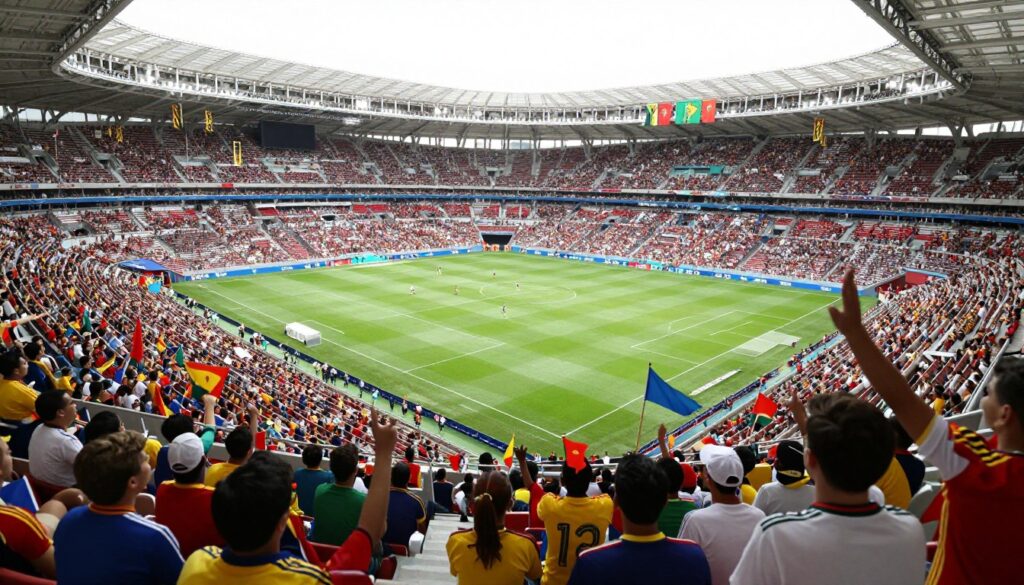
A detailed examination of the venues reveals the remarkable infrastructure that supported the tournament. The 2010 world cup utilized ten world-class stadiums, with Soccer City in Johannesburg serving as the centerpiece for both the opening and final matches.
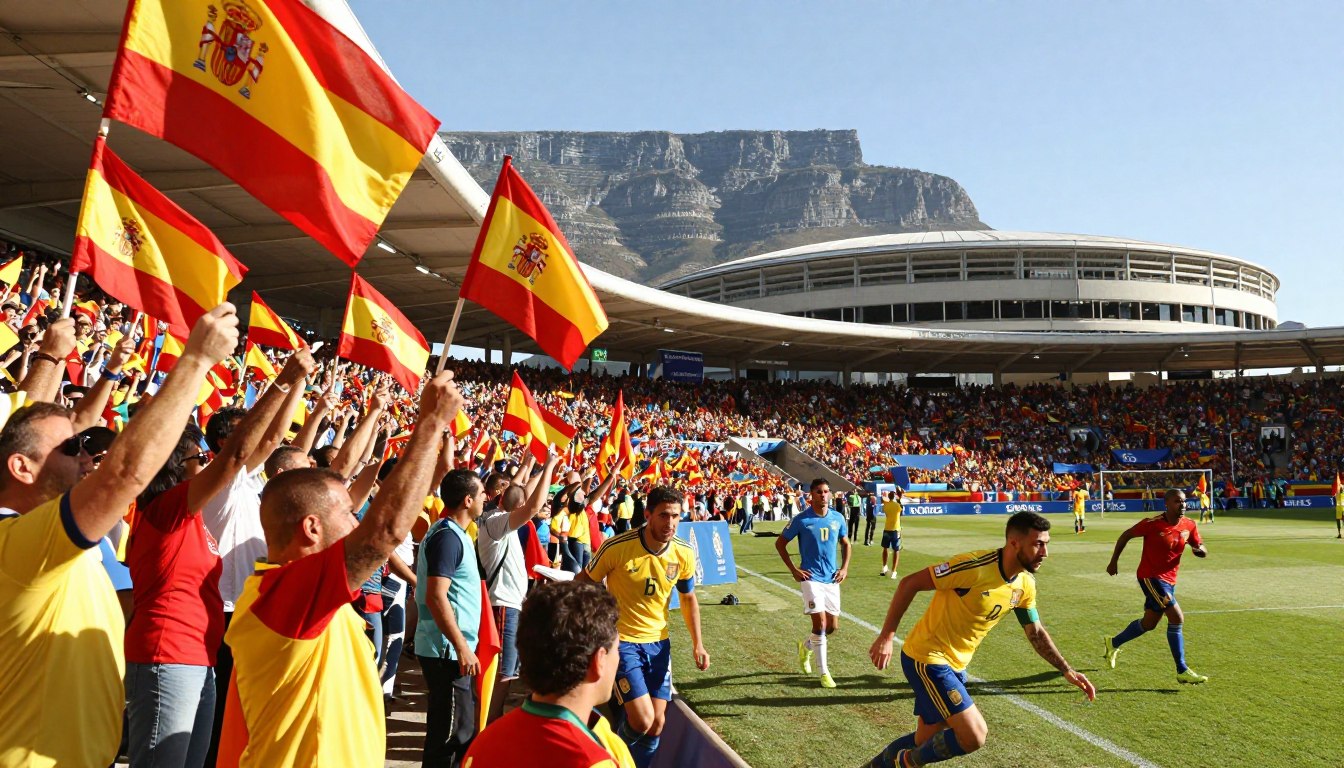
The Moses Mabhida Stadium in Durban and the Cape Town Stadium were architectural marvels, hosting several high-profile matches. Each venue was designed to meet strict FIFA requirements, ensuring safety and enhancing the fan experience.
Here’s a comparative overview of venue capacities:
| Stadium | Location | Capacity |
|---|---|---|
| Soccer City | Johannesburg | 84,490 |
| Moses Mabhida Stadium | Durban | 56,000 |
| Cape Town Stadium | Cape Town | 55,000 |
| Mandela Bay Stadium | Port Elizabeth | 42,486 |
The infrastructure of these town stadium venues ensured that the matches were accessible and enjoyable for spectators from across the globe.
Improvements and Infrastructure Developments in South Africa
The hosting of this global event led to a remarkable transformation in local infrastructure. South Africa made significant investments, totaling R8.4 billion, to build five new stadiums and upgrade five existing venues. Among these, the iconic Loftus Versfeld Stadium stood out, showcasing the nation’s commitment to enhancing its sports facilities.
The construction of the Moses Mabhida project was a massive undertaking. Thousands of workers were involved to ensure timely completion. Additionally, public transport infrastructure saw improvements, notably with the Gautrain in Johannesburg, which was upgraded to accommodate the influx of fans during the tournament.
These infrastructure developments have left a lasting legacy for the host cities, benefiting them long after the tournament ended. However, challenges arose during construction, including a brief strike involving 70,000 workers. This was resolved to keep the projects on schedule.
Economic Impact and Prize Money Distribution
The economic landscape surrounding the tournament transformed, highlighting the importance of prize money distribution. FIFA distributed a total of US$420 million in prize money, representing a 60 percent increase compared to the previous tournament.
The winning team received US$30 million, while each of the 32 teams received US$1 million for preparation costs before the tournament began. This marked a significant shift in how financial rewards were allocated.
For the first time, the football association compensated domestic clubs for releasing players for the tournament. This economic model helped stabilize the relationship between FIFA and major European clubs, resolving long-standing disputes over player injuries.
We analyze how the prize money distribution impacted the participating teams and the overall financial success of the tournament. As one expert noted,
“The financial structure of the tournament has redefined how teams approach international competitions.”
Bribery and Corruption Controversies Surrounding the Host Bid
The selection process for the host nation was marred by allegations of bribery and corruption. In 2015, significant revelations came to light regarding the bidding process for the tournament. Reports indicated that high-ranking officials allegedly paid US$10 million in bribes to secure the hosting rights.
FIFA executive Chuck Blazer confirmed his involvement in this bribery scheme. His admission brought forth serious questions about the integrity of the football association and the entire bidding process.
These controversies cast a shadow over the legacy of the tournament, leading to extensive investigations by the FBI and Swiss authorities. Despite these allegations, the tournament itself remains a landmark event in the history of the world cup and African sports development.
- Allegations of US$10 million in bribes surfaced during the 2015 FIFA corruption case.
- Chuck Blazer’s admission highlighted the depth of the corruption scandal.
- Investigations by authorities raised concerns about the bidding process’s integrity.
- The reputation of the football association was significantly impacted.
- Despite controversies, the tournament is still celebrated for its historical significance.
The Role of Team Base Camps and Preparation Strategies
Base camps served as vital hubs for teams gearing up for their matches. The 32 national teams were strategically placed in various locations across South Africa to ensure optimal preparation for every match.
Fifteen teams chose to base themselves in Gauteng Province, while others were spread across KwaZulu-Natal, the Western Cape, and additional regions. These base camps were essential for the teams to acclimatize to the altitude and conditions of the host cities.
The football association worked closely with local authorities to provide secure and professional training facilities for all participating squads. This collaboration ensured that teams had the best possible environment to prepare.
We explore how these preparation strategies influenced the performance of the teams during the group stage and the knockout rounds.
| Base Camp Location | Number of Teams | Key Features |
|---|---|---|
| Gauteng Province | 15 | High-altitude training facilities |
| KwaZulu-Natal | 8 | Warm weather conditions |
| Western Cape | 7 | Modern training amenities |
The Final Showdown: Netherlands vs Spain Final Match Report
The final match of the tournament saw Spain triumph over the Netherlands in a nail-biting showdown. The game ended with a score of 1-0 after extra time, marking a historic victory for Spain.
Andrés Iniesta scored the winning goal in the 116th minute, sealing the match for his team. Referee Howard Webb officiated this intense encounter, which featured numerous bookings as both teams fought for their first world title.
Match Highlights and Key Decisions
- The final match report details Spain’s historic 1-0 victory over the Netherlands, secured by Andrés Iniesta’s goal in extra time.
- Referee Howard Webb officiated the intense match, which saw numerous bookings as both teams fought for their first world title.
- This match report highlights the tactical battle between the two sides, with Spain eventually breaking the deadlock in the 116th minute.
- The final was a defining moment in the history of the fifa world cup, showcasing the skill and determination of the Spanish team.
- We analyze the key decisions made during the match, including the red card issued to John Heitinga during the extra time period.
Tactical Breakdowns and Player Performances
The intricate strategies showcased by the teams added layers of excitement to every match. Analyzing the tactical approaches reveals how Spain’s possession-based strategy allowed them to control the tempo of the games. This approach not only defined their success but also set a standard for future competitions.
Standout players like Diego Forlán, who won the Golden Ball, and Iker Casillas, who earned the Golden Glove, exemplified the tournament’s quality. Their performances were pivotal in elevating the matches to a thrilling level.
We break down the formations used by the top teams, noting how the 145 goals scored reflected the tactical evolution of modern football. The match report for the final highlights how individual brilliance, such as Iniesta’s goal in extra time, often decided the outcome of the game.
Our review of player performances includes the impact of the 23-player squads and the strategic substitutions made by coaches throughout the tournament. Each decision played a crucial role in shaping the outcomes of matches, adding to the drama and excitement of the event.
| Award | Winner |
|---|---|
| Golden Ball | Diego Forlán |
| Golden Glove | Iker Casillas |
Legacy and Influence on Global Soccer Culture
This event showcased the potential of an African nation to host a world-class competition. The tournament left a profound legacy on world cup history, proving that the continent could successfully host the biggest event in football.
The cultural impact of the tournament, especially the iconic sound of the vuvuzela, remains a central part of the fifa world cup history. This unique element added a festive atmosphere that resonated with fans around the globe.
Moreover, we examine how the infrastructure improvements and the success of the tournament influenced future bids for the fifa world cup competition. The advancements made during this time set a benchmark for future hosts.
Spain’s victory inspired a new era of football, emphasizing technical skill and tactical discipline. This tournament remains a benchmark for how a host nation can use the world cup to foster national pride and global engagement.
| Aspect | Impact |
|---|---|
| Infrastructure | Significant improvements across host cities |
| Cultural Influence | Vuvuzela became a symbol of the tournament |
| Legacy | Set a precedent for future world cup bids |
Media Coverage and Global Viewership Impact
The media coverage surrounding the tournament reached unprecedented levels, captivating audiences worldwide. Global viewership for the final match soared to an estimated 909 million people, highlighting the massive reach of the tournament.
Broadcasting the event to every corner of the globe, the media coverage rivaled that of the UEFA Champions League. This extensive exposure helped solidify the status of the tournament as the premier sporting event.
We analyze how fan engagement through social media and television ratings contributed to this phenomenon. Referee Howard Webb, with his experience from the UEFA Champions League final, was well-prepared for the pressures of officiating the match.
The match report for the final was widely analyzed by media outlets, contributing to the enduring fame of the tournament. The combination of thrilling matches and global interest ensured that the tournament would be remembered for years to come.
In-Depth Look at the 2010 FIFA World Cup
The initial matches of this tournament highlighted the unpredictable nature of international football. Major teams faced early exits, reshaping the competition’s landscape. This dynamic created a unique path for the knockout rounds, where unexpected teams like Uruguay and the Netherlands made deep runs.
As the competition evolved, fans witnessed thrilling moments, including intense penalty shootouts and dramatic extra time finishes. These instances kept spectators on the edge of their seats, emphasizing the excitement of each match.
Spain’s victory not only secured their first title but also earned them a spot in the 2013 FIFA Confederations Cup. This achievement further cemented their status as a dominant force in the sport.
This in-depth look at the tournament structure explains why this event remains a pivotal chapter in the history of the competition.
| Stage | Key Highlights |
|---|---|
| Group Stage | Early exits of major teams, setting the tone for surprises |
| Knockout Rounds | Intense matches with penalty shootouts and extra time |
| Final Match | Spain’s historic victory and qualification for the FIFA Confederations Cup |
Conclusion
The tournament hosted in South Africa marked a pivotal moment in global football history. It successfully brought the international football community together for the first time on African soil. Spain’s golden generation showcased their skill and determination, overcoming early setbacks to secure their first world title.
The infrastructure, including iconic venues like Soccer City and Moses Mabhida Stadium, provided a world-class stage for the thrilling matches. Despite the controversies surrounding the bidding process, the tournament’s legacy is defined by the passion of the fans and the quality of the football displayed.
In conclusion, this tournament remains a vital part of world cup history, influencing how future competitions are hosted and experienced. The excitement and memories created during this event will continue to resonate in the hearts of football fans worldwide.
FAQ
What was the significance of the 2010 tournament in Africa?
Which teams made it to the knockout stage?
Who were the standout players of the tournament?
How did the venues contribute to the tournament’s success?
What were some memorable matches from the tournament?
How did the tournament impact South Africa’s economy?
What controversies arose during the host bidding process?
How did the tournament influence soccer culture globally?
Explore More World Cup History
← 2006 FIFA World Cup | 2014 FIFA World Cup → | Complete World Cup History | All World Cup Winners | Most Dramatic Penalty Shootouts