
The 1982 FIFA World Cup was a defining moment in the realm of football, held in the vibrant country of Spain from June 13 to July 11. This tournament marked a significant shift, as it was the first to feature 24 teams competing for glory. The atmosphere was electric, with matches played across 17 venues in 14 different host cities.
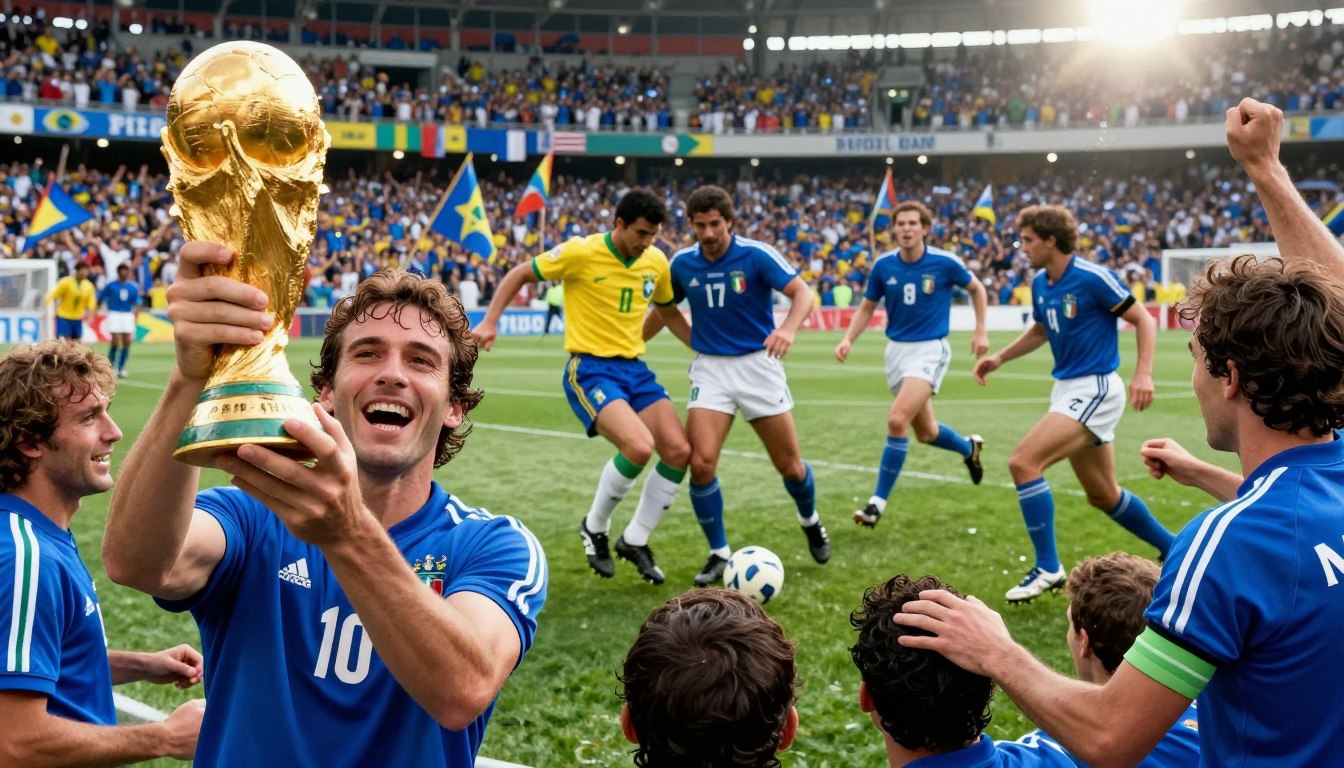
Italy triumphed, claiming their third title by overcoming West Germany 3-1 in a thrilling final at the iconic Santiago Bernabéu Stadium. The tournament was not just about the victories; it was a showcase of skill and drama, with a total of 146 goals scored throughout 52 matches. Paolo Rossi emerged as the star, earning the title of top scorer and best player, leading his nation to victory.
This page serves as your ultimate guide to the 1982 FIFA World Cup, exploring the tactical brilliance and unforgettable moments that shaped this era in football history.
Key Takeaways
- The tournament was a landmark event, expanding to 24 teams for the first time.
- Spain hosted nations from six different confederations.
- Italy’s journey to their third title was filled with challenges and triumphs.
- This guide highlights the tactics and memorable moments of the tournament.
- The 1982 FIFA World Cup changed the landscape of international sports forever.
Introduction to the 1982 FIFA World Cup
Spain hosted a groundbreaking tournament that reshaped the landscape of international football. The 1982 FIFA World Cup was the 12th edition of this prestigious event, featuring an expanded format with 24 teams competing for glory. This change allowed more nations to showcase their talent on the world stage.
Every match played during this tournament was a testament to the evolving nature of football. The dedication of players was evident in each game, captivating fans worldwide. As we reflect on the history of the world cup, the 1982 edition stands out for its unique blend of drama and tactical innovation.
This page provides a comprehensive overview of how the host nation managed the logistics of such a massive sporting event. From the first goal to the final penalty, the tournament captured the hearts of fans who followed their favorite teams throughout the summer.
| Key Features | Details |
|---|---|
| Number of Teams | 24 |
| Host Nation | Spain |
| Matches Played | 52 |
| Total Goals | 146 |
| Duration | June 13 – July 11 |
Historical Background and Tournament Significance
Set against the backdrop of Spain, this tournament represented a significant chapter in football’s rich history. Before the competition kicked off, expectations soared for European teams, as they played on their home continent. The anticipation was palpable, with fans eager to see their nations shine.
The historical significance of this event is evident, as all four semi-finalists hailed from Europe. This dominance echoed trends from previous tournaments, reinforcing Europe’s status in international football. However, as the matches unfolded, teams faced challenges, particularly the intense heat of Spain, which tested their adaptability.
Every match showcased the remarkable skills of the players, who performed under immense pressure to represent their countries. The tournament remains a vital chapter in sports history, influencing how future competitions would be organized and played.
We also analyze how the host nation, Spain, provided the perfect backdrop for a tournament that defined the careers of many legendary players.
| Key Highlights | Details |
|---|---|
| Semi-finalists | All European Teams |
| Host Nation | Spain |
| Impact on Future Tournaments | Influenced Organization and Play |
| Player Performance | High Pressure Matches |
| Historical Context | Significant for European Football |
Host Selection and the Spanish Backdrop
The announcement of Spain as the host nation for the tournament set the stage for an unforgettable summer. This decision was finalized in London on July 6, 1966, after a strategic agreement with West Germany, which withdrew its bid to support Spain.
Hosting this prestigious event was a monumental task, especially as the country was transitioning from a dictatorship to a democracy. Despite these challenges, the tournament united fans and teams from around the globe, creating a vibrant atmosphere of competition.
The passion of the fans ensured that every match was a memorable experience. This section explores the controversial aspects of Spain’s bid and highlights how the tournament became a symbol of unity in sports.
| Key Aspects | Details |
|---|---|
| Host Nation Selection | Finalized on July 6, 1966 |
| Political Climate | Transitioning to Democracy |
| Impact on Fans | Unifying Experience |
| Controversial Elements | Strategic Withdrawal by West Germany |
| Significance | Symbol of Unity in Sports |
Qualification Journey and First-Time Debuts
A diverse array of teams emerged from various regions, eager to showcase their talent. The qualification process for this tournament was filled with excitement. Notably, several nations made their first appearances, marking a significant moment in the history of the competition.
Teams like Algeria, Cameroon, Honduras, Kuwait, and New Zealand took the stage for the first time. This expansion allowed more nations to participate, making the tournament truly representative of the global football community.
Additionally, Northern Ireland made a remarkable return, qualifying for the first time since 1958. This achievement highlighted their resilience and determination to compete among the best.
Each team brought a unique style of play, making every match an unpredictable and thrilling experience for fans. The qualification journey for the tournament was long and arduous, paving the way for a historic event that would be remembered for years.
| Team | Debut Year | Remark |
|---|---|---|
| Algeria | 1982 | First appearance |
| Cameroon | 1982 | First appearance |
| Honduras | 1982 | First appearance |
| Kuwait | 1982 | First appearance |
| New Zealand | 1982 | First appearance |
| Northern Ireland | 1982 | Return since 1958 |
Understanding the Tournament Format
The unique setup of the matches in Spain created an exciting atmosphere for players and fans alike. The tournament utilized a distinctive format featuring two rounds of group stages, marking the last time this structure was implemented.
In the first round, 24 teams were divided into six groups of four. The top two teams from each group advanced to the next stage. This ensured that every match was crucial, as teams fought to secure their place in the later rounds.
The second round consisted of four groups of three teams. The winner of each group progressed to the semi-finals, intensifying the competition. Fans and players had to adapt to the rigorous schedule of the tournament, testing the endurance of every team involved.
Our page breaks down the intricacies of this format, explaining how it influenced the path to the final in cup spain.
Group Stage Dynamics and Surprises
The group stage of the tournament was a thrilling spectacle, filled with unexpected twists and remarkable performances. Each match served as a battleground, where teams fought fiercely for advancement to the next round. Fans were treated to a display of skill and determination that highlighted the essence of football.
One of the most memorable moments came when Hungary triumphed over El Salvador with a staggering score of 10-1. This victory not only set a record for the largest margin in the history of the competition but also showcased the Hungarian team’s prowess on the field.
As the matches unfolded, the intensity of the competition became palpable. Players pushed their limits, demonstrating their commitment to their national teams. The dynamics of these group stage matches were pivotal, as they shaped the narrative of the tournament.
This section provides an analysis of the key matches and the strategies employed by various teams. The unique rules and format of the tournament created high-stakes scenarios, making every game crucial.
| Match | Score | Remark |
|---|---|---|
| Hungary vs. El Salvador | 10-1 | Record margin of victory |
| Italy vs. Cameroon | 1-1 | Surprising draw |
| Brazil vs. Scotland | 2-1 | Close contest |
| Argentina vs. Hungary | 2-1 | Thrilling finish |
| West Germany vs. England | 2-1 | Intense rivalry |
In-depth Review of Notable Groups
The group dynamics during the tournament revealed unexpected strengths and weaknesses among the competing nations. Group 1 was particularly competitive, featuring Italy, Poland, and Cameroon. Cameroon impressed many by holding both Italy and Poland to draws. However, they were ultimately eliminated on goal difference, showcasing the tight competition.
In Group 4, England made a bold statement with a 3-1 victory over France. Bryan Robson scored just 27 seconds into the match, setting the tone for the rest of the game. These early battles demonstrated the high level of skill present in the tournament, as teams fought fiercely for every point.
Our page provides an in-depth review of these groups, highlighting how the performance of each team shaped the outcome of the competition. The tournament in cup spain was defined by these early clashes, which set the tone for what was to come.
Ultimate Guide to the 1982 FIFA World Cup
The excitement surrounding this tournament drew in fans from all walks of life, eager to witness football history. This ultimate guide to the 1982 FIFA World Cup offers a comprehensive look at the statistics, teams, and iconic moments of the tournament.
With over 2 million fans attending the matches in cup Spain, the world cup was a massive success for the host nation. We cover every aspect of the competition, from the opening game to the final, ensuring you have all the information you need.
The 1982 FIFA World Cup remains a highlight in the history of sports, and this page serves as your go-to source for all the details. Whether you are a new fan or a long-time follower, this guide provides a deep dive into the legacy of the tournament.
Every player and team mentioned here played a part in making the 1982 FIFA World Cup an unforgettable event.
Legendary Matches and Iconic Moments
The tournament was filled with unforgettable matches and incidents that left a lasting mark on football. One of the most notorious events was the “Disgrace of Gijón,” where West Germany’s 1-0 victory over Austria sparked outrage. Both teams played in a way that seemed designed to secure their progression at the expense of fairness, leaving fans disappointed.
Additionally, the semi-final clash between France and West Germany was marred by a shocking foul. Harald Schumacher’s brutal challenge on Patrick Battiston remains one of the most discussed incidents in the history of the competition. Such moments defined the tournament, showcasing both the beauty and the darker side of the game.
Here are some key highlights from the legendary matches:
| Match | Result | Remark |
|---|---|---|
| West Germany vs. Austria | 1-0 | Disgrace of Gijón |
| France vs. West Germany | 1-1 (after extra time) | Foul incident by Schumacher |
| Italy vs. Brazil | 3-2 | Classic quarter-final |
These matches and moments shaped the legacy of the tournament and influenced future rules in football. The 1982 competition was a time of high emotion, as players and teams faced immense pressure on the global stage.
Tactical Breakdowns: Italy’s Defense vs. Brazil’s Attack
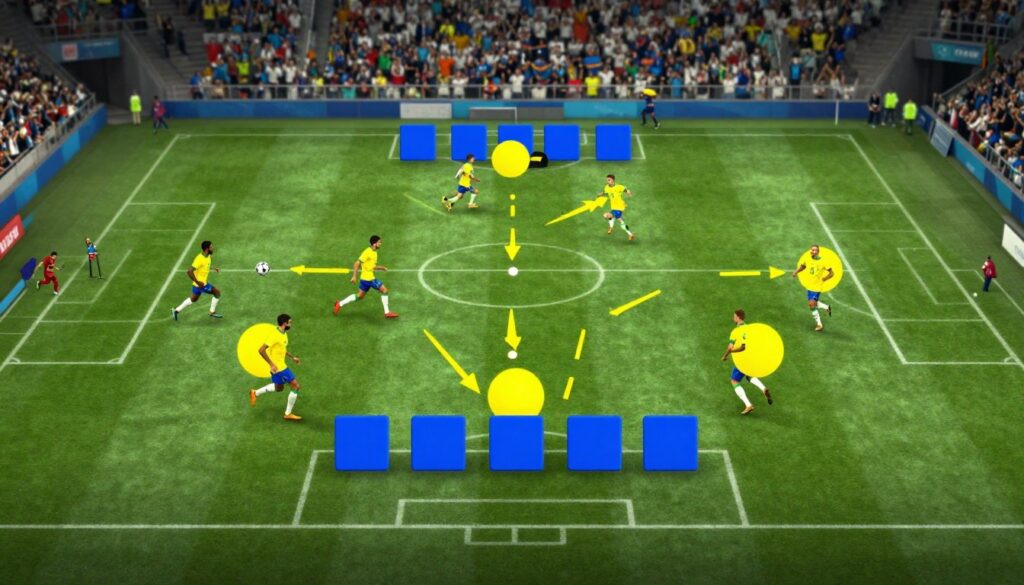
The clash between Italy’s defense and Brazil’s offense was a defining moment in football history. This tactical battle is renowned as one of the most famous encounters in the tournament. Italy’s defensive unit, anchored by Claudio Gentile and Gaetano Scirea, proved to be the perfect counter to the flair of the Brazilian team.
This match was a masterclass in strategy. Both teams fought for control in a game that would decide the fate of the tournament. We break down the tactics used by both sides, showing how Italy’s disciplined approach overcame the offensive firepower of Brazil in cup spain.
The 1982 fifa world cup is remembered for this clash, which remains a benchmark for tactical analysis in the world of football. Our page provides a detailed look at how these players executed their roles to achieve victory in such a high-stakes competition.
Brazil’s Campaign: Brilliance and Heartbreak
Brazil’s journey through the tournament was a blend of dazzling skill and heartbreaking moments. The squad, featuring stars like Zico, Sócrates, Falcão, and Éder, played with an artistry that captivated fans worldwide.
Despite their brilliance, the team faced a crushing defeat in a decisive match against Italy, which ended their hopes of winning the trophy. This match was a pivotal moment in the competition, showcasing the fierce rivalry between two footballing giants.
The 1982 FIFA World Cup was a time of great expectation for Brazil, but the challenges they encountered in cup Spain were significant. We explore the crucial moments that led to their defeat, highlighting how their offensive style was countered by the solid defense of their opponents.
This page honors the legacy of the Brazilian team, whose performance remains a highlight in the history of the competition. Every game they played was a showcase of skill, making them one of the most beloved teams in the world.
Semi-finals and the Road to the Final
As the tournament progressed, the semi-finals became a battleground for footballing giants. Italy faced Poland and secured a 2-0 victory, showcasing their strength and determination. This win propelled them into the final, marking a significant moment in their journey.
In a dramatic second semi-final, West Germany clashed with France. The match ended in a thrilling 3-3 draw, leading to a penalty shootout. This was the first time a shootout was used in the tournament’s history, adding to the excitement.
These matches were the culmination of a long road for the teams, who had fought hard throughout the tournament in cup Spain. The performances of key players were instrumental in leading their teams to the brink of glory.
The semi-finals of the fifa world cup remain some of the most exciting matches in the history of the competition. Our page provides a comprehensive look at how these teams prepared for the final game of the tournament.
| Match | Result | Remark |
|---|---|---|
| Italy vs. Poland | 2-0 | Italy advances to the final |
| West Germany vs. France | 3-3 (West Germany wins on penalties) | First penalty shootout in history |
Final Match Analysis and Celebrated Moments
In the climactic showdown, Italy faced West Germany for the ultimate prize. The final of the tournament saw Italy triumph with a score of 3-1, securing their third title in the history of the competition.
Key Strategies and Decisive Goals
Italy’s victory was not just about skill; it was a masterclass in strategy. The team executed a well-planned game, utilizing solid defense and quick counterattacks. Every goal scored was a result of teamwork and individual brilliance. Marco Tardelli’s iconic goal celebration became a symbol of the joy and passion that defined the tournament in cup Spain.
Iconic Celebrations and Tactical Shifts
The 1982 final remains a celebrated moment in sports, showcasing the best of what football has to offer. The tactical shifts during the match were crucial. Italy’s disciplined approach allowed them to outmaneuver their opponents effectively. This page provides a detailed breakdown of the final game, ensuring you understand how Italy emerged as the winners of the competition.
| Match Detail | Result | Remark |
|---|---|---|
| Italy vs. West Germany | 3-1 | Italy secures third title |
| Key Player | Marco Tardelli | Iconic celebration |
| Decisive Goals | 3 | Teamwork and strategy |
Individual Brilliance: Stars of the Tournament
The stars of the tournament shone brightly, leaving an indelible mark on the competition. Among them, Paolo Rossi emerged as a true hero. He scored an impressive 6 goals and was awarded the Golden Ball as the best player. His remarkable performance was crucial in leading the Italian team to victory in the tournament held in cup Spain.
In addition to Rossi, we also celebrate Manuel Amoros, who was named the best young player of the tournament. His contributions were vital, showcasing talent and determination on the field. These stars demonstrated the individual brilliance that makes the competition so special for fans.
Our page honors the achievements of these players, whose names are forever linked to the history of the world cup. Every goal they scored and every match they played contributed to the legacy of the tournament.
| Player | Goals | Award |
|---|---|---|
| Paolo Rossi | 6 | Golden Ball |
| Manuel Amoros | N/A | Best Young Player |
Impact on World Cup Records and Legacy
This competition reshaped records and set new standards for future tournaments. The 1982 FIFA World Cup marked a significant turning point in football history.
Italy became the first team to advance from the first round without winning a single match. This unexpected outcome showcased the unpredictable nature of the tournament.
By winning the event, Italy equaled Brazil’s record of three world cup titles, solidifying their legacy in the sport. The achievements during this tournament continue to influence how we view the competition.
Here are some key impacts:
- The 1982 FIFA World Cup set several records, including Italy’s unique advancement.
- Italy’s victory placed them alongside Brazil as winners of three titles.
- The legacy of this tournament shapes the performance expectations of teams in cup Spain.
- Long-term impacts of these records continue to evolve the competition over time.
- This page provides a detailed look at the statistics that define the tournament’s significance.
- Every record reflects the competitive spirit of the players and teams involved.
Changing the Game: Regulations and Future Implications
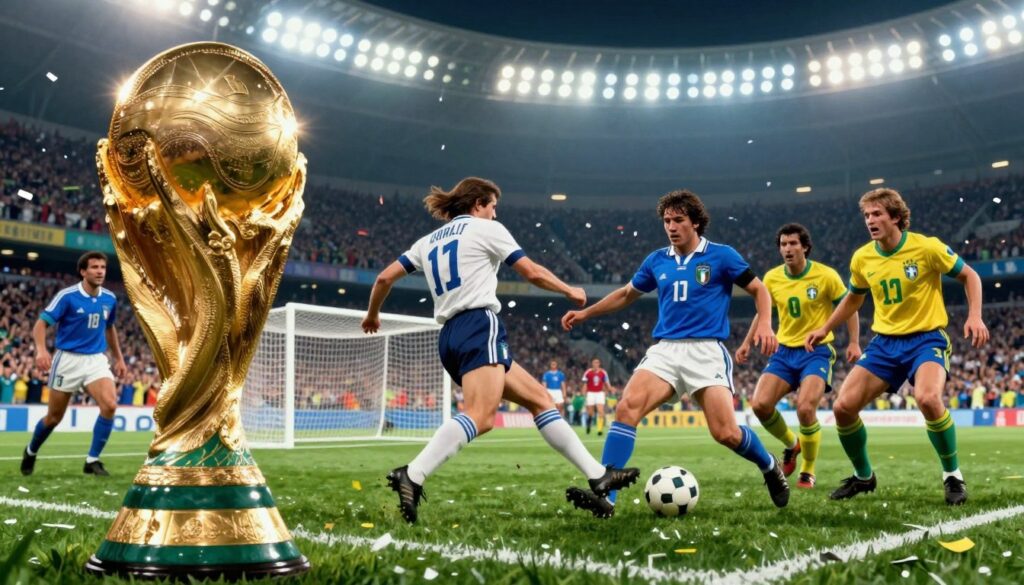
The aftermath of the tournament prompted significant changes in the regulations governing international football. Following the intense matches and some controversial moments, FIFA introduced new rules to prevent the brutality and collusion that marred certain games in cup Spain.
One major change was the decision to have the final two games in each group played simultaneously. This adjustment aimed to ensure fairness and maintain the excitement of the competition. As a result, teams could no longer rely on the outcomes of other matches to secure their advancement.
These changes were essential for the future of the world cup, ensuring that the competition remained fair and exciting for all teams. The lessons learned from this tournament served as a turning point for the rules of the game and the organization of future tournaments.
Today, the impact of these regulations is still felt, as they continue to shape how the competition is played and managed. Our page provides a clear overview of how the lessons learned in this tournament helped improve the integrity of the competition.
Conclusion
The summer of 1982 marked a pivotal chapter in the history of international football, showcasing the brilliance of teams and players alike. The tournament not only highlighted the skill of players like Paolo Rossi but also the passion of fans worldwide.
From the debut of nations like New Zealand and Northern Ireland to the tactical battles involving Diego Maradona, this event was a global spectacle. We explored the group stage dynamics, the impact of the Golden Ball winner, and the controversial moments that led to rule changes for future competitions.
Whether it was the drama of extra time or the tension of a penalty shootout, the tournament in cup Spain set a high bar for all future tournaments. This ultimate guide has provided a deep dive into the legacy of the 1982 FIFA World Cup, ensuring that the history of this incredible event is preserved for fans in the United States and beyond.
As we conclude, we reflect on how this tournament changed the game, proving that even in the face of controversy, the spirit of football prevails.
FAQ
What was the significance of the 1982 tournament?
Which teams made their debut in this competition?
What were some memorable moments from the matches?
Who were the standout players of the event?
How did the group stage unfold?
What were the tactical highlights of the final match?
How did this tournament impact future competitions?
Explore More World Cup History
← 1974 FIFA World Cup | 1986 FIFA World Cup → | Brazil at the World Cup | 10 Greatest Goals in World Cup History | Complete World Cup History