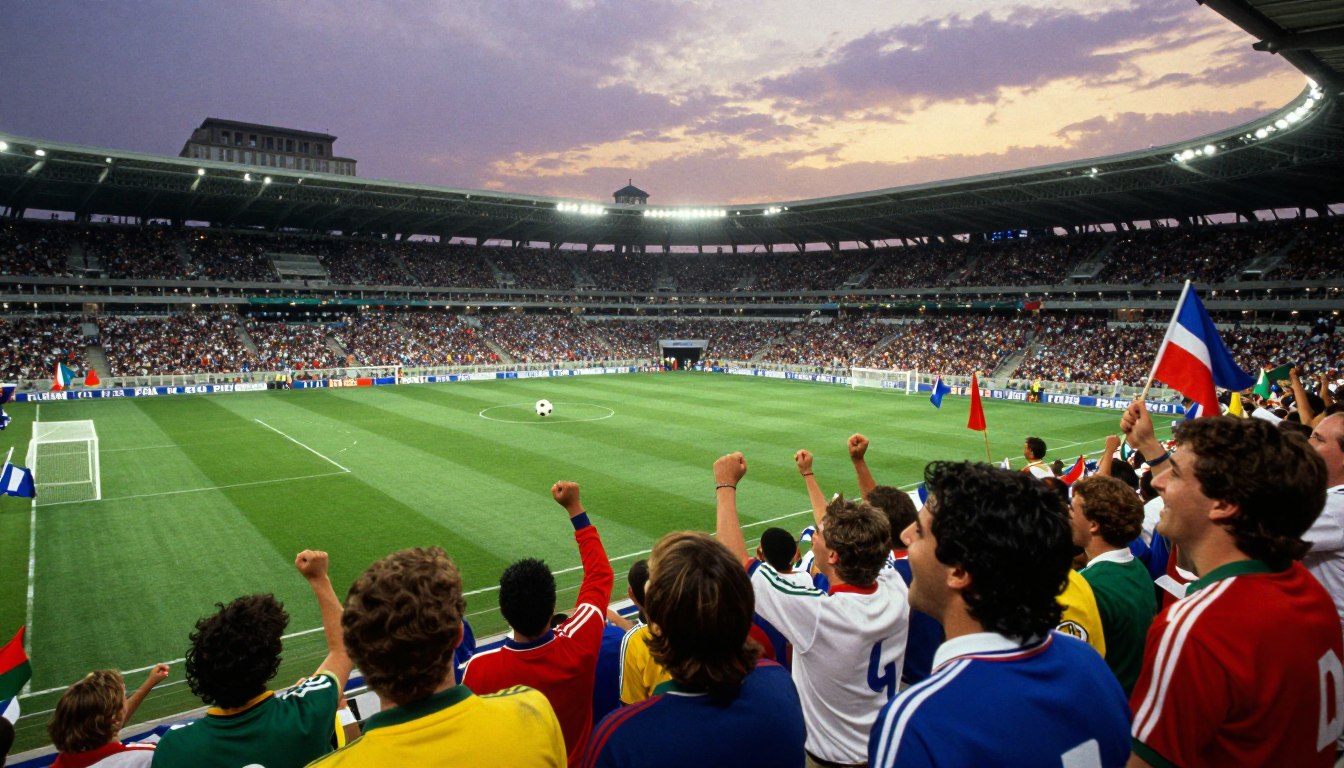

The 1990 FIFA World Cup marked a significant chapter in sports history. Held in Italy from June 8 to July 8, this tournament brought together 24 national teams. Fans flocked to 12 cities across the Italian peninsula, eagerly anticipating the drama that would unfold.
Despite the excitement, this event is often remembered for its low scoring. With only 115 goals scored, the average was a mere 2.21 goals per match. This statistic still stands as a record today. The final saw West Germany triumph over Argentina, securing their third title in a tightly contested match.
This ultimate guide will delve into the legacy of the tournament. We will explore the tactical shifts, iconic players, and cultural impacts that defined this historic competition. From the opening match to the final whistle, the 1990 FIFA World Cup offered a unique perspective on the state of football during that era.
Key Takeaways
- The tournament was hosted in Italy, showcasing 24 teams.
- It remains the lowest-scoring tournament in history.
- West Germany won their third title against Argentina.
- Only 115 goals were scored throughout the event.
- The average goals per match was 2.21, a record low.
Historical Context and Prelude to Italia ’90
In the years preceding the event, the landscape of international football underwent significant transformations. The 1980s were marked by a rise in hooliganism, particularly after the tragic events of the 1985 European Cup Final in Brussels, where 39 Juventus supporters lost their lives. This incident prompted a global crackdown on violence in stadiums.
The 1986 tournament in Mexico raised the bar for international competition, showcasing legendary performances that left a lasting impact on the game. As the 1990 FIFA World Cup approached, the political climate was shifting rapidly, with the Cold War nearing its conclusion. This era was not just about football; it was a reflection of changing global dynamics.
Italy was set to host the tournament for the second time, having previously organized the event in 1934, where they claimed their first major title. The Netherlands’ victory in the 1988 European Championship offered a glimpse into the tactical evolution that would define the upcoming tournament.
With tensions high, the Soviet Union, Yugoslavia, and Czechoslovakia prepared for their final appearances before the end of the Cold War. Every team faced immense pressure to perform, as the history of the World Cup was being written against a backdrop of significant geopolitical change.
1990 FIFA World Cup: Key Facts and Figures
The 1990 FIFA World Cup was notable for its unique statistics and records that shaped the tournament’s legacy. This edition of the tournament recorded a staggering 16 red cards, highlighting the intense and physical nature of the matches. Notably, it was the first time a player was sent off in a final, setting a precedent for future competitions.
Attendance figures also showcased the event’s popularity. A total of 2,516,215 fans filled the stadiums, averaging 48,389 spectators per match. This solidified the event’s status as the most-watched sporting occasion of its time.
Salvatore Schillaci emerged as the standout player, netting 6 goals and earning the title of best player of the tournament. Meanwhile, Robert Prosinečki was honored as the best young player, showcasing the emerging talent in international football.
The iconic Adidas Etrusco Unico served as the official match ball, further embedding itself into the history of the tournament. The competition featured 52 matches across 12 cities in Italy, presenting significant logistical challenges for organizers.
Host Selection and Bidding Process
As anticipation grew, the selection of the host nation became a focal point of international attention. The 1990 FIFA World Cup saw Italy emerge victorious in the bidding process. On May 19, 1984, FIFA officials voted 11 to 5 in favor of Italy, decisively choosing them over the Soviet Union.
The bidding was highly competitive, with England and Greece also vying for the honor. Speculation suggested that the Soviet boycott of the 1984 Olympic Games influenced the committee’s decision. Despite this, FIFA President João Havelange denied any political motivations behind the choice.
Italy’s successful bid marked their second time hosting the tournament. The country invested significantly in infrastructure to showcase its capabilities to the world. The selection process highlighted the intricate balance of politics and sports during that time.
| Country | Votes Received | Notes |
|---|---|---|
| Italy | 11 | Chosen host nation |
| Soviet Union | 5 | Political factors influenced decision |
| England | N/A | Rival bid |
| Greece | N/A | Rival bid |
Qualification Process and Debut Teams
The road to the finals was paved with intense competition and national pride. A total of 116 national football associations entered the qualification process, which began in April 1988. Each team fought hard for a coveted spot in the tournament hosted in Italy.
Among the standout stories were the debut appearances of Costa Rica, the Republic of Ireland, and the United Arab Emirates. These nations made history by qualifying for their first finals, adding excitement to the competition.
Additionally, the United States qualified for the first time since 1950, marking the beginning of a streak that would last until 2018. Egypt also made a significant return, participating for the first time since 1934.
However, not all stories were triumphant. Mexico faced disqualification for fielding overage players in a youth tournament, highlighting the strict regulations governing the qualification process.
| Team | First Appearance | Notes |
|---|---|---|
| Costa Rica | Yes | First-time qualifier |
| Republic of Ireland | Yes | First-time qualifier |
| United Arab Emirates | Yes | First-time qualifier |
| United States | No | First qualification since 1950 |
| Egypt | No | Return after 1934 |
Tournament Format and Group Stage Analysis
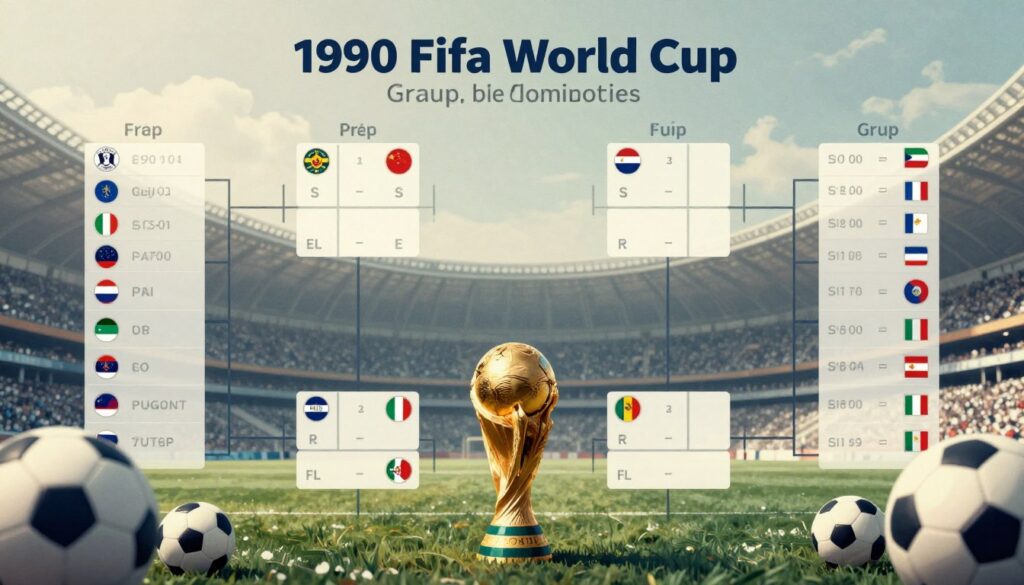
The structure of the tournament was carefully designed to enhance the competition among teams. The event featured 24 teams divided into six groups, with each group playing in two designated Italian cities. This setup aimed to minimize travel and allow teams to focus on their matches.
Security concerns influenced the England team’s decision to play all their group stage matches in Cagliari, Sardinia. This was a direct response to the tragic hooliganism events of 1985. The tournament also saw the construction of new venues, such as the Stadio San Nicola in Bari and the Stadio delle Alpi in Turin.
Rome and Milan emerged as primary hubs, each hosting six matches, while Bari, Naples, and Turin hosted five. Every match was carefully scheduled to keep team travel to a minimum, allowing players to adapt better to the unique conditions of each city.
Analyzing the group stage reveals how momentum shifted for each team. The opening phase tested endurance and tactical adaptability, making it a critical component of the tournament’s overall success.
| City | Matches Hosted | Group Stage Significance |
|---|---|---|
| Rome | 6 | Primary hub for matches |
| Milan | 6 | Key location for high-stakes games |
| Bari | 5 | Newly constructed venue |
| Naples | 5 | Significant match location |
| Turin | 5 | New venue for the tournament |
Knockout Rounds and High-Stakes Matches
Intense drama unfolded during the knockout rounds, as teams battled for a place in the finals. The 1990 tournament provided some of the most memorable matches in the history of the competition.
Cameroon made history by becoming the first African team to reach the quarter-finals. This achievement marked a significant milestone for African football.
West Germany demonstrated their championship pedigree by defeating the Netherlands 2-1 in a classic Round of 16 match. This thrilling encounter is often remembered as a highlight of the tournament.
Argentina continued their journey by narrowly beating Brazil 1-0 in a highly anticipated match. The knockout stage was characterized by defensive tactics, with many games decided by penalty shoot-outs.
Every team that reached this phase faced immense pressure to perform under the global spotlight. The cup Italy hosted saw England advance to the semi-finals, showcasing their resilience throughout the tournament.
We explore the tactical battles that defined this knockout stage, focusing on the key matches that shaped the tournament’s legacy. The 1990 knockout rounds were a testament to the skill and determination of every team involved.
The Dramatic Semi-Finals: Passion and Penalties
The road to the finals was marked by two unforgettable semi-final matches that captivated football fans worldwide. Both matches showcased the fierce competition and the tactical discipline of the teams involved.
West Germany secured their place in the final by defeating England in a tense penalty shoot-out after a hard-fought 1-1 draw. The atmosphere was electric, with fans on the edge of their seats as the match unfolded.
In another gripping encounter, Argentina ended the hopes of the host nation by beating Italy in a penalty shoot-out, also following a 1-1 draw. This match, played in Naples, was particularly emotional, as it featured Diego Maradona, who played a pivotal role in leading his team to victory.
The semi-finals of this tournament were a classic example of how defensive tactics can dominate crucial matches. Every team involved left everything on the pitch, creating memories that lasted a lifetime.
The Final Match Breakdown: West Germany vs. Argentina
The final match of the tournament was a highly anticipated showdown between two football giants. On July 8, 1990, history was made at the Stadio Olimpico as West Germany faced Argentina in a gripping encounter. This match would not only determine the champion but also mark a significant moment in football history.
Andreas Brehme scored the decisive goal in the 85th minute via a penalty kick, securing a 1-0 victory for West Germany. This match was notable as it was the first in tournament history to feature red cards, with Pedro Monzón and Gustavo Dezotti being dismissed. Lothar Matthäus led the West Germany team with composure, while Diego Maradona struggled to find his rhythm against the German defense.
Jürgen Klinsmann and Rudi Völler were instrumental in the West Germany attack, constantly pressuring the Argentina defense throughout the game. The penalty decision sparked controversy that lasted for years, adding to the match’s tension. Every team performance in this final was scrutinized, as West Germany claimed their third title.
The cup Italy hosted concluded with this dramatic final, cementing the legacy of the tournament in the history books. The tactical decisions made by both managers during this match defined the era and continue to be a subject of intense discussion.
Iconic Moments and Star Players
The players of this tournament brought their unique flair and passion, captivating fans around the globe. Salvatore Schillaci emerged as the tournament’s top scorer, netting six goals and earning the title of best player. His performance made him an Italian icon and a symbol of national pride.
Another standout was Roger Milla of Cameroon, who stole the spotlight with his charismatic goal celebrations at the age of 38. His infectious joy on the field resonated with fans worldwide, marking a memorable moment in the tournament.
Franz Beckenbauer made history by becoming the first person to win the trophy as both a player and a coach. His leadership was crucial for West Germany, who claimed victory in the final.
Diego Maradona’s skill and determination were central to Argentina’s journey to the final. Despite facing immense pressure, he remained a focal point for his team.
Lothar Matthäus, as the captain of the winning team, provided the stability needed in midfield. His contributions were vital for West Germany’s success.
| Player | Country | Achievements |
|---|---|---|
| Salvatore Schillaci | Italy | Top scorer, best player |
| Roger Milla | Cameroon | Memorable goal celebrations |
| Franz Beckenbauer | West Germany | First to win as player and coach |
| Diego Maradona | Argentina | Key player in final |
| Lothar Matthäus | West Germany | Captain of winning team |
Tactical Analysis and Defensive Strategies
The tactical landscape of the tournament was heavily influenced by defensive strategies. Many teams adopted overly cautious approaches, leading to a record-low average of goals per match. This style not only shaped the competition but also prompted discussions about the future of the game.
Franz Beckenbauer’s leadership of West Germany exemplified tactical flexibility. His team balanced defensive stability with controlled play, which ultimately led them to victory. In contrast, Argentina focused on a defensive-first strategy, often relying on penalty shoot-outs to advance through the knockout stages.
The emphasis on defense during this time was significant. It resulted in the introduction of the back-pass rule in 1992, aimed at encouraging more attacking football. Additionally, FIFA implemented a three-point system for wins to promote a more offensive style in future tournaments.
These changes reflect how the cup Italy hosted became a turning point in football tactics. Coaches and analysts still study the defensive strategies from this tournament, highlighting the balance between discipline and the pursuit of victory.
| Team | Tactical Approach | Outcome |
|---|---|---|
| West Germany | Balanced defense and control | Champions |
| Argentina | Defensive-first strategy | Finalists |
| Other Teams | Overly defensive tactics | Low scoring matches |
Controversies, Criticisms, and Red Card Moments
Controversies emerged during the tournament, casting a shadow over its excitement. The final match was particularly criticized for being cynical and ill-tempered, with two red cards issued. Pedro Monzón and Gustavo Dezotti faced dismissals, highlighting the tense atmosphere of the game.
To promote better behavior, FIFA introduced the Fair Play Flag during this tournament. However, refereeing decisions, especially regarding penalties, sparked ongoing debates. Many felt that the officiating affected the flow and integrity of the matches.
Argentina’s defensive style drew significant criticism from media and experts alike. Their approach was perceived as damaging to the spirit of the game, leading to discussions about the need for reform.
The 16 red cards issued set a record, emphasizing the physical nature of play. Every match was scrutinized, with the tournament becoming a symbol of the need for improved officiating standards.
Impact on Global Football and Rule Changes
The impact of the tournament reverberated throughout the world of football, leading to crucial changes in the game. One significant outcome was the introduction of the back-pass rule in 1992. This rule was a direct response to the defensive tactics observed during the competition.
Additionally, FIFA adopted a three-point system for wins, aiming to encourage more attacking play in future tournaments. This shift was essential for increasing spectator interest and making matches more exciting.
The broadcasting model established during this tournament set a new standard for how the event is presented to global audiences. The success of the national team in the tournament also revitalized the domestic top-flight league in England.
Every team and league benefited from the changes that followed, as the sport continued to evolve. The cup Italy hosted marked a pivotal moment in the history of the sport, influencing the development of football and making it more engaging for fans everywhere.
Cultural and Media Influence of Italia ’90
The influence of Italia ’90 on global culture was significant, resonating with fans worldwide. This tournament became a media phenomenon, reaching an estimated 26.69 billion non-unique viewers around the globe. It was a remarkable showcase of how sports could unite people across various cultures.
Moreover, it was the first World Cup officially recorded and transmitted in HDTV, thanks to a collaboration between the Italian broadcaster RAI and Japan’s NHK. This innovation set a new standard for how sports events would be broadcast in the future.
One of the tournament’s most iconic moments was Luciano Pavarotti’s performance of “Nessun dorma” during the Three Tenors concert. This performance transcended football, becoming a cultural highlight that showcased the blend of sport and art.
The broadcasting model used in this tournament influenced how the World Cup is presented today. It helped grow the competition’s popularity in new markets, making every team and player part of a cultural event that captured the imagination of the global public.
The cup Italy hosted was more than just a football tournament; it was a celebration of culture and media innovation. Its impact continues to be felt, as the event remains a landmark in the history of the World Cup for its contributions to television and broadcasting technology.
Legacy: Lessons Learned from the 1990 Tournament
The outcomes of this tournament have influenced the way football is played and organized. The defensive nature of the matches prompted FIFA to rethink rules, ensuring the game remained appealing to fans. This was crucial for maintaining spectator interest.
Moreover, the broadcasting model established during this time paved the way for significant commercial growth in the sport throughout the 1990s. The success of the tournament marked a turning point, leading to a more attacking style of football in subsequent competitions.
Lessons learned from this event were applied to the 1994 and 1998 editions, shaping the future of international tournaments. West Germany’s victory in 1990 was particularly historic, as it marked the last title for the team before the reunification of Germany.
- The 1990 FIFA World Cup left a complex legacy, serving as a catalyst for rule changes that modernized the sport.
- FIFA learned valuable lessons, particularly regarding the need to encourage attacking play in every competition.
- The success of the broadcasting model provided a blueprint for the commercial growth of the tournament.
- Every team that participated contributed to the evolution of football tactics and the game’s development.
- The cup Italy hosted remains a reference point in World Cup history, illustrating the balance between defensive and attacking play.
Economic and Infrastructural Implications
Hosting the prestigious tournament demanded a staggering financial commitment from Italy. The total cost of construction and improvements exceeded £550 million (approximately $935 million). This investment reflected the country’s ambition to deliver a world-class event.
Rome’s Stadio Olimpico emerged as the most expensive project, while Udine’s Stadio Friuli was the least costly to redevelop. The 12 host cities underwent extensive renovations, which included removing running tracks and installing new pitches. This extensive work showcased Italy’s dedication to enhancing its infrastructure.
The economic impact of the tournament was significant. Many club tenants had to relocate temporarily while their stadiums were being rebuilt for the competition. Every city involved saw a surge in economic activity as fans flocked from around the globe.
The infrastructure legacy of the tournament continues to benefit Italian football today. Many of these stadiums remain in use, demonstrating the long-term advantages of hosting such a monumental event. Our analysis of the economic implications highlights both the challenges and successes of planning for this remarkable competition.
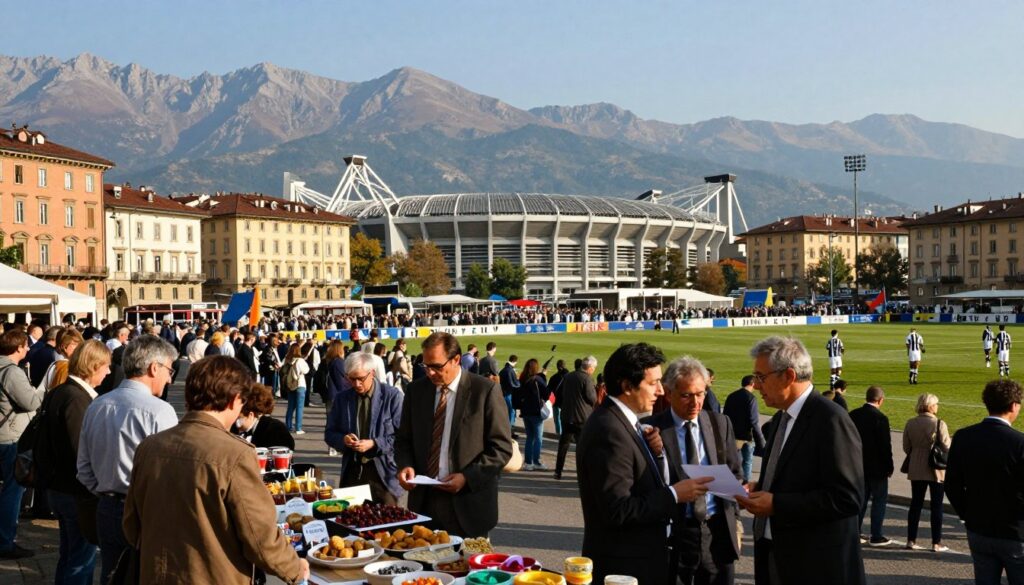
Echoes in Modern Football: Comparing Past and Present
Modern football continues to reflect the foundational changes initiated by earlier tournaments. The influence of the past is evident in various aspects, from rules to broadcasting methods. The legacy of the tournament is a reminder of how the sport has evolved.
Contemporary tournaments have inherited many elements from earlier competitions. The broadcasting model established during the event set a high standard, enhancing viewer engagement. This shift toward a more dynamic presentation has shaped how fans experience the game today.
Additionally, the rule changes, such as the back-pass rule, remain essential to the modern game. These adjustments have fostered a more attacking style, making matches more exciting for fans worldwide. Every team in the modern era benefits from these improvements, ensuring that the competition remains thrilling.
- The 1990 FIFA World Cup continues to echo in modern football, with its influence seen in everything from rules to broadcasting.
- The legacy is a reminder of how the sport has evolved, with each tournament building on the lessons of the past.
- The cup Italy organized set a high standard for the history of the World Cup, influencing modern tournament planning.
- Our review of the 1990 FIFA World Cup echoes in modern football, showing the lasting importance of this historic event.
- This defining moment helped shape the future of the World Cup and the game itself.
Conclusion
Reflecting on the journey of this tournament, it is clear that it left an indelible mark on football history. The 1990 FIFA World Cup remains a landmark event, defined by its defensive tactics and dramatic moments. Over the years, the tournament has been recognized for its cultural impact and the significant rule changes it inspired.
Every team that participated contributed to the legacy of this event, which resonates in the modern game. The title won by West Germany marked the end of an era and the beginning of a new chapter for football. Looking back, it is evident that this tournament was pivotal in shaping the future of the sport.
We hope this guide has provided a comprehensive look at the 1990 FIFA World Cup, from the qualification to the final match. This tournament will always be remembered as a unique time in the history of the beautiful game.
FAQ
What was unique about the tournament held in Italy?
Which teams made their debut during this tournament?
Who were the standout players in the tournament?
How did the knockout rounds unfold?
What controversies arose during the matches?
How did this tournament influence future competitions?
What was the economic impact of hosting the tournament?
How did media coverage change during this tournament?
Explore More World Cup History
← 1986 FIFA World Cup | 1994 FIFA World Cup → | Most Dramatic Penalty Shootouts | Complete World Cup History | All World Cup Winners