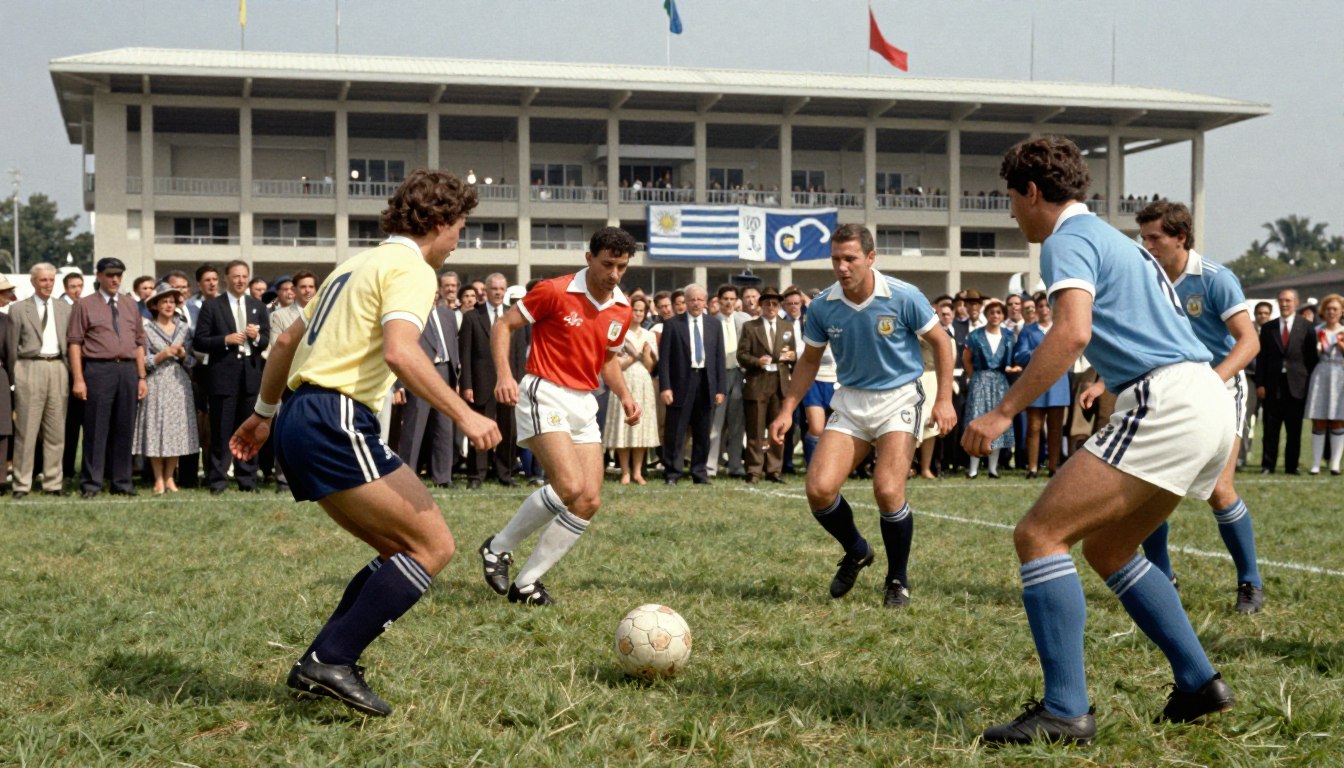

The inaugural edition of the tournament began on 13 July 1930 in Montevideo, Uruguay. This marked a significant moment in sports history, as it was the first championship for men’s national football teams. The excitement surrounding this event set the stage for the global football phenomenon we see today.
During this historic competition, national teams gathered for the first time to vie for the prestigious title. This monumental event transformed the sport, establishing a legacy that continues to captivate millions across every continent. The challenges faced during this early tournament were unique, yet they united diverse nations in a shared passion for the beautiful game.
Every match played during this pivotal July 1930 period laid the foundation for the modern structure of international sports excellence. The legacy of this tournament is felt even today, reminding us of the enduring spirit of competition and camaraderie.
Key Takeaways
- The 1930 FIFA World Cup was the first-ever global tournament for men’s national teams.
- It officially commenced on 13 July 1930 in Montevideo, Uruguay.
- This historic event transformed football and created a lasting legacy.
- The tournament united nations through a shared love for the sport.
- Each match played contributed to the modern world cup structure.
Historical Background and Significance
The foundation for this remarkable competition was laid through years of evolving football traditions. FIFA had been managing the football segment of the Summer Olympics since the early 20th century. This involvement showcased the growing popularity of the sport on an international scale.
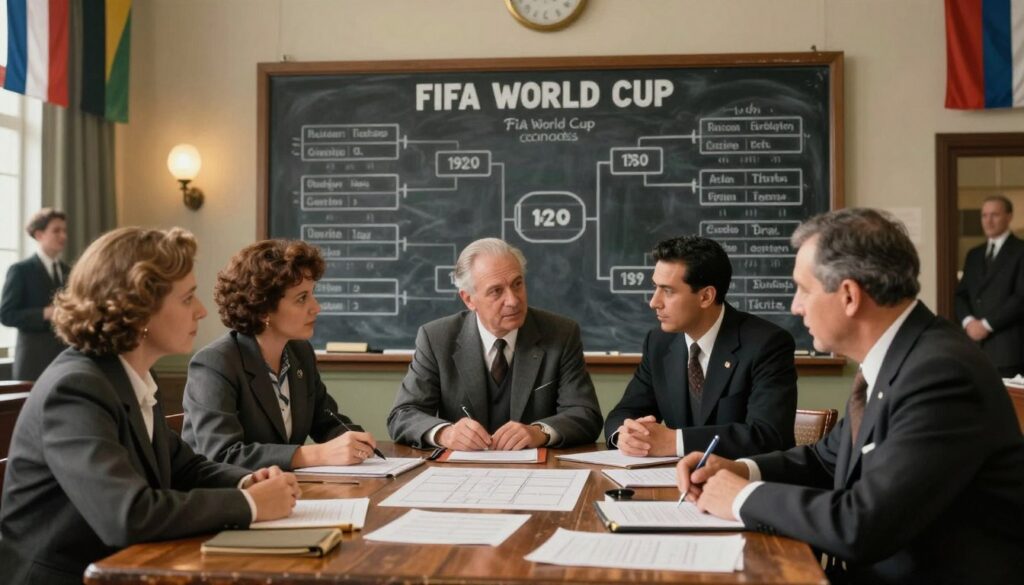
In May 1928, at the 17th FIFA congress in Amsterdam, Jules Rimet proposed a dedicated tournament for national teams. His vision was inspired by the success of the 1924 and 1928 Summer Olympics, which provided the momentum needed for this groundbreaking idea.
Prior to this, the Summer Olympics served as the primary stage for international football. However, officials recognized that the sport deserved its own independent competition. Rimet argued that international football could no longer be confined to the limited scope of the Olympic Games.
This new fifa world cup aimed to elevate the status of the sport. It ensured that every national team had a dedicated platform to showcase their skills. By organizing this inaugural tournament, the federation sought to create a global match environment that transcended regional boundaries and fostered international unity.
| Year | Event | Significance |
|---|---|---|
| 1924 | Summer Olympics | First major international football competition |
| 1928 | FIFA Congress | Proposal for a dedicated world cup |
| 1930 | Inaugural World Cup | First-ever global tournament for national teams |
Tournament Organization and Structure
A groundbreaking event in sports history unfolded as teams gathered for the inaugural tournament. The organization of this tournament was unique, as it featured an invitation-only format. Instead of a qualification process, FIFA extended invitations to all affiliated nations, ensuring a diverse representation.
Thirteen teams participated, organized into a group stage format. One group contained four teams, while the other three had three teams each. This structure was crucial, as only the group winners would advance to the semi-finals.
Each match played during this stage was vital, highlighting the competitive spirit of the teams. Scheduling all matches in Montevideo allowed for effective logistics management. Despite the absence of a formal qualification, the tournament proved to be a historic event, showcasing the passion for football.
| Group | Teams | Matches |
|---|---|---|
| Group 1 | 4 Teams | 6 Matches |
| Group 2 | 3 Teams | 3 Matches |
| Group 3 | 3 Teams | 3 Matches |
| Group 4 | 3 Teams | 3 Matches |
Global Participation and International Perspectives
The journey to the tournament was as challenging as the matches themselves for many participating teams. European teams faced significant obstacles due to the Great Depression and the long sea voyage to South America. Many struggled to commit to the costly trip, which added to the logistical hurdles.
To ensure participation, organizers personally intervened, ultimately securing four European teams to make the arduous journey across the Atlantic. Each country brought a unique perspective to the competition, but the distance made it difficult for many nations to send their best players.
The 1930 fifa world cup remains the only event where participation was determined solely by invitation rather than a rigorous qualification process. Despite these challenges, the presence of international teams turned the tournament into a truly global match for the first time in history.
Key Matches and Memorable Moments
Each game brought its own story, contributing to the tournament’s rich legacy. The excitement of the matches created unforgettable moments that fans still cherish today.
Opening Games: First Goals and Historic Hat-Tricks
The tournament kicked off with thrilling matches that set the stage for what was to come. Notably, Pedro Cea shone brightly in the semi-final against Yugoslavia, scoring a remarkable hat-trick that propelled his team forward.
Semi-Finals and a Thrilling Final Showdown
The final match between Uruguay and Argentina was a historic showdown. The hosts secured a 4-2 victory, claiming the first world cup title. Argentina initially took the lead, but a dramatic turnaround in the second half saw Uruguay dominate the scoreline.
Every goal scored during the final was celebrated by 68,346 spectators, filling the stadium with joy. The intensity of the semi-final and final rounds solidified the world cup as the premier competition for national teams.
Star Players and Their Legendary Performances
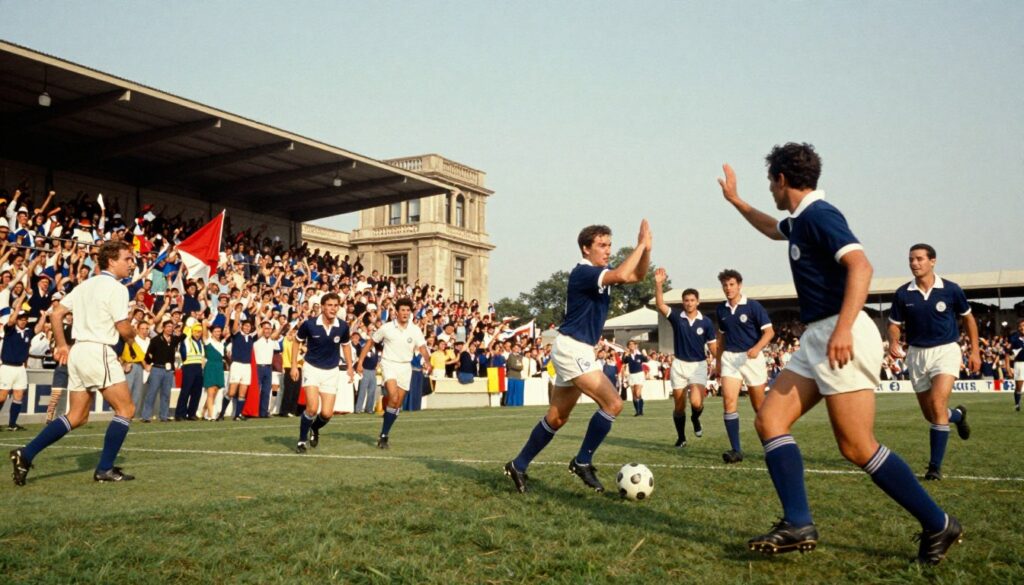
Among the stars of the inaugural tournament, Guillermo Stábile shone the brightest. He emerged as the top scorer, netting an impressive 8 goals throughout the event. His standout performance included a memorable hat-trick against Mexico, solidifying his reputation as a prolific scorer.
Leadership also played a crucial role, with Manuel Ferreira captaining the Argentina team. His guidance was vital in helping the squad reach the final match. The individual performances of these athletes showcased the high level of skill present in the early days of the tournament.
By the end of the event, Stábile had set a high bar for future players. His achievements ensured that the tournament would always be a stage for elite talent, inspiring generations to come.
Insights into the 1930 FIFA World Cup
The inaugural tournament highlighted the evolution of football tactics and teamwork. With 70 goals scored across 18 matches, the competition showcased an attacking style of play that thrilled fans during the group stage and beyond.
Tactical breakthroughs were evident as teams adapted to the unique conditions of the tournament. Many often changed their approach during the second half of a game, demonstrating flexibility and strategic depth.
The competitive nature of the matches meant that every goal was vital. A single lead could determine which team advanced to the next stage, making each moment crucial.
Coaches and players had to manage their time and energy carefully. The demanding tournament schedule tested the endurance of every participating team.
These early insights into the world cup reveal how the sport evolved. Teams constantly refined their strategies to gain an advantage in every match.
- With 70 goals scored across 18 matches, the tournament showcased an attacking style of football.
- Tactical breakthroughs were evident as teams adapted to the unique conditions of the tournament.
- The competitive nature of the matches meant that every goal was vital.
- Coaches and players had to manage their time and energy carefully.
- These insights reveal how the sport evolved, with teams refining their strategies.
Venues, Referees, and Iconic Stadiums
The iconic Estadio Centenario was not just a venue, but a symbol of national pride and football history. Built specifically for the tournament and the centenary of Uruguayan independence, it served as the primary venue for the cup 1930. The stadium hosted the final match, becoming an enduring symbol of the competition.
As the hosts, Uruguay ensured that the Estadio Centenario was ready to welcome every team. This grand stage provided an exceptional backdrop for the world cup competition. Referees like John Langenus from Belgium played a crucial role in maintaining order during every match, ensuring that the spirit of the tournament was upheld.
The legacy of the Estadio Centenario continues to this day. It remains a historic place where the first world cup title was decided. Every group and team that played at this venue contributed to the rich history of the cup 1930, leaving an indelible mark on the world cup.
| Venue | Location | Significance |
|---|---|---|
| Estadio Centenario | Montevideo, Uruguay | Primary venue for the tournament and final match |
| Estadio Gran Parque Central | Montevideo, Uruguay | Host for several group matches |
| Estadio Pocitos | Montevideo, Uruguay | Site for early matches in the tournament |
Conclusion
The first tournament in this prestigious series took place in 1930, marking a pivotal moment in sports. The inaugural event established a global tradition, with the United States finishing third among the participating national teams.
This tournament proved that football could unite the world, as teams from South America and beyond competed for the prestigious title. With 70 goals scored and 18 matches played, it set a high standard for future competitions.
As we reflect on this historic event, we recognize the efforts of the hosts and the United States in making it a success. The United States team, alongside others, helped define the early era of the tournament, securing a medal that remains a point of pride.
Ultimately, the legacy of the 1930 tournament continues to inspire nations as they celebrate its significance in the history of football.
FAQ
What was the significance of the first tournament in 1930?
Which teams participated in the 1930 tournament?
Who was the top scorer of the tournament?
Where were the matches held?
How was the tournament structured?
What were some memorable moments from the tournament?
How did the tournament influence future competitions?
What role did Jules Rimet play in the tournament?
Explore More World Cup History
1954 FIFA World Cup → | Complete World Cup History | All World Cup Winners | Every World Cup Final