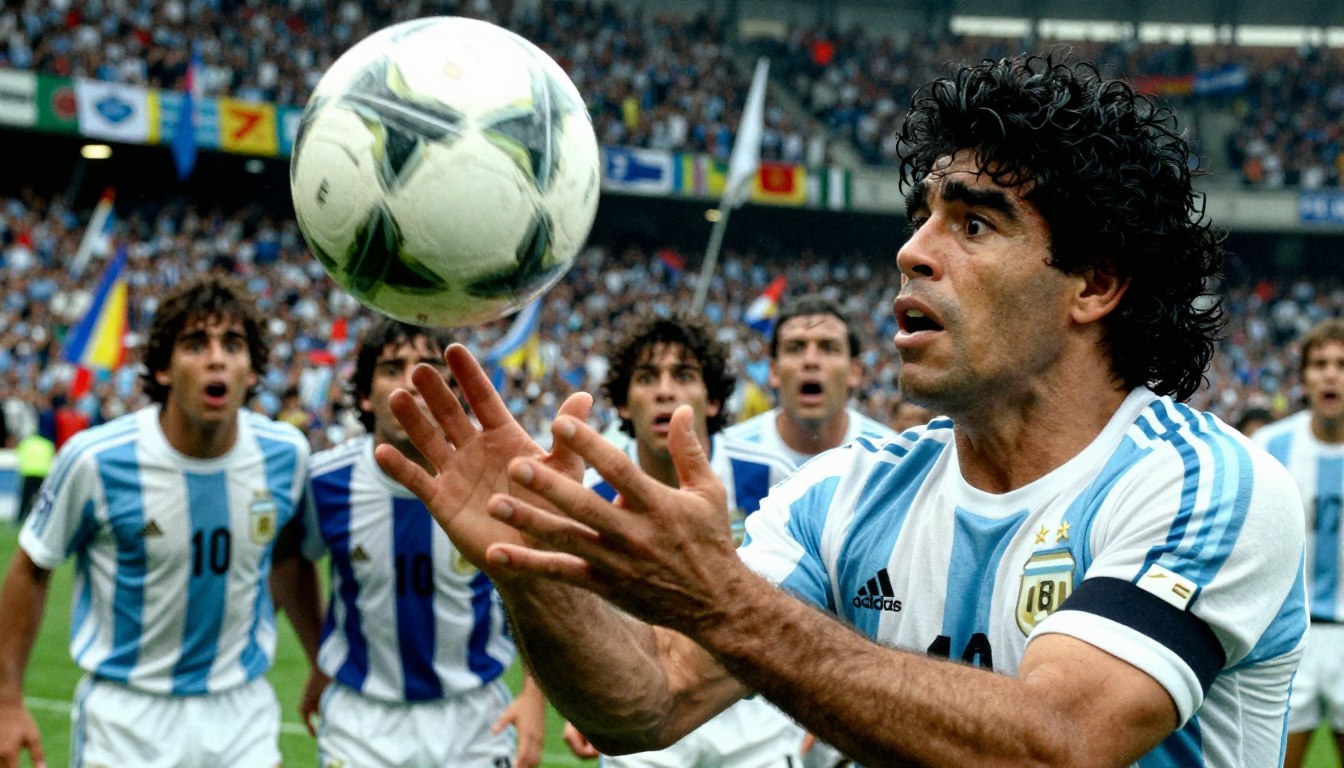

On June 22, 1986, during the quarter-final match between Argentina and England in Mexico City, a remarkable event unfolded. This moment, often referred to as the Hand of God, became one of the most talked-about incidents in the history of the 1986 World Cup. Diego Maradona, a name synonymous with football greatness, scored a goal that sparked intense debate.
Using his left hand, Maradona touched the ball before it found the net. This action went unnoticed by the match officials, allowing the goal to stand. As the ball crossed the line, the world watched in disbelief. The controversy surrounding this incident raised questions about fairness in sports, making it a defining moment for fans and players alike.
Understanding this iconic moment requires appreciating the charged atmosphere of that quarter-final match. It was a clash not just of teams, but of legacies. The discussions it ignited about rules and ethics in sports continue to resonate today.
Key Takeaways
- The incident remains a hot topic in discussions about the 1986 World Cup.
- Maradona’s goal challenged the boundaries of fair play in sports.
- This moment reshaped perceptions of integrity in professional football.
- The referee’s oversight turned a simple goal into a historic controversy.
- Understanding this event offers insights into the competitive spirit of the tournament.
Historical Context of a Defining Moment
The quarter-final match on June 22, 1986, between Argentina and England was more than just a game; it was a national event. The atmosphere was electric, fueled by the recent Falklands War, known as Las Malvinas in Argentina. This conflict created deep political tensions that added weight to the Argentina team’s performance in the 1986 World Cup.
Diego Maradona, the star player, viewed this match as an opportunity to reclaim national pride. The stakes were incredibly high, as every kick of the ball carried the emotional baggage of years of conflict. Fans gathered at the Estadio Azteca, knowing that this game transcended mere sport.
For many supporters, the goal scored by the Argentina team was not just a point on the board; it was a symbolic victory in a larger historical narrative. The significance of this match still resonates today, reflecting the intertwined nature of sports and national identity.
Inside the Controversy: Breaking Down the Play
In the intense atmosphere of June 22, 1986, a controversial play changed the course of a match. During the second half, England’s Steve Hodge accidentally kicked the ball high into his own penalty box. The moment was crucial, as it set the stage for a defining incident in football history.
As the ball soared, England’s goalkeeper, Peter Shilton, leaped to contest it. However, the shorter Diego Maradona reached it first, using his hand to send the ball into the net. The referee, Ali Ben Nasser, was positioned in a way that obstructed his view, forcing him to rely on his linesman’s call.
The Argentina team erupted in celebration as the ball hit the back of the net, while frustrated England players protested vehemently. This hand god incident occurred just four minutes before Maradona would score his legendary second goal, further cementing the match’s historical significance.
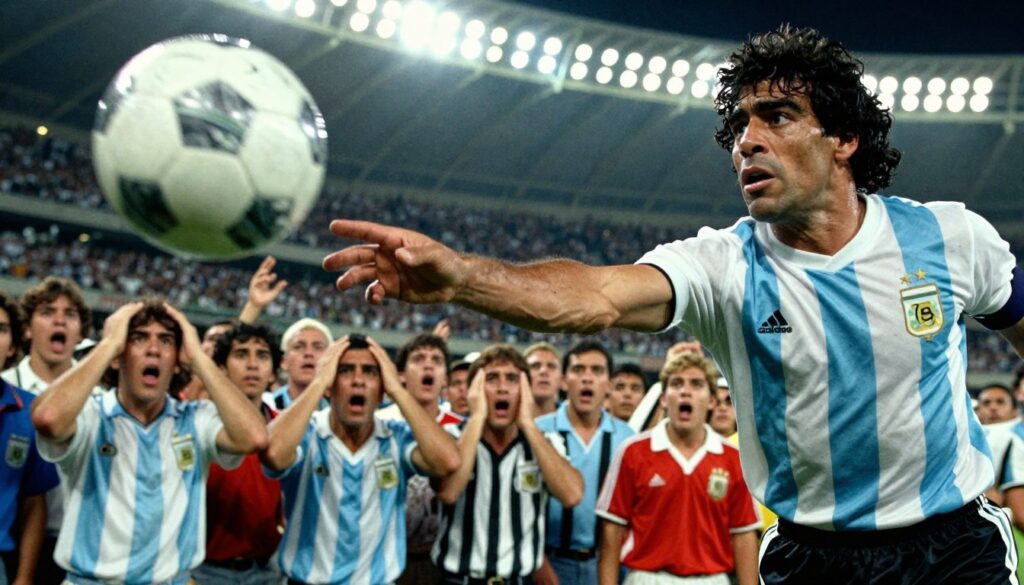
The Hand of God goal Maradona: Technique, Tactics & Timing
In the world of football, certain moments stand out for their sheer drama and impact. One such instance occurred during the quarter-final match between Argentina and England. The infamous play not only altered the course of the game but also showcased the unique skill set of Diego Maradona.
The mechanics behind this controversial maneuver were remarkable. Maradona deftly used both his head and hand to guide the ball past goalkeeper Peter Shilton. This act required immense skill and precision, as he needed to evade defenders while ensuring the ball found the net.
Just four minutes after this contentious goal, Maradona demonstrated his genius again. He dribbled past multiple players to score what is now known as the “Goal of the Century.” The timing of these events was crucial, as they defined the match and solidified his legacy as one of the greatest footballers.
Despite the controversy, referee Ali Ben Nasser could not see the illegal act. The linesman also failed to signal the handball, allowing the goal to stand. This incident remains a pivotal moment in football history, illustrating how a single play can influence the outcome of a tournament.
| Player | Action | Time (Minutes) |
|---|---|---|
| Diego Maradona | First Goal (Hand God) | 51 |
| Diego Maradona | Second Goal (Goal of the Century) | 55 |
| Peter Shilton | Goalkeeper Attempt | N/A |
| Steve Hodge | Accidental Setup | 51 |
Cultural and Political Significance
The quarter-final clash between Argentina and England on June 22, 1986, transcended the boundaries of a mere football match. For many in Argentina, the play was seen as a form of symbolic revenge for the 1982 Falklands War, known as Las Malvinas in Argentina. This context fueled the emotional intensity surrounding the game.
The media frenzy that followed highlighted how the actions of a single player could shape the history of two nations. Maradona later described the Hand of God as a way to defend the national flag and honor the victims of the war. While debates raged about the morality of the act, the Argentina team viewed it as a clever tactic against England.
Four minutes after this controversial moment, Maradona scored a second goal, showcasing his skill and genius. This goal proved he could win fairly, even amidst the chaos. England’s goalkeeper, Peter Shilton, and other players felt the first goal was a disgrace, yet in Argentina, it was celebrated for years.
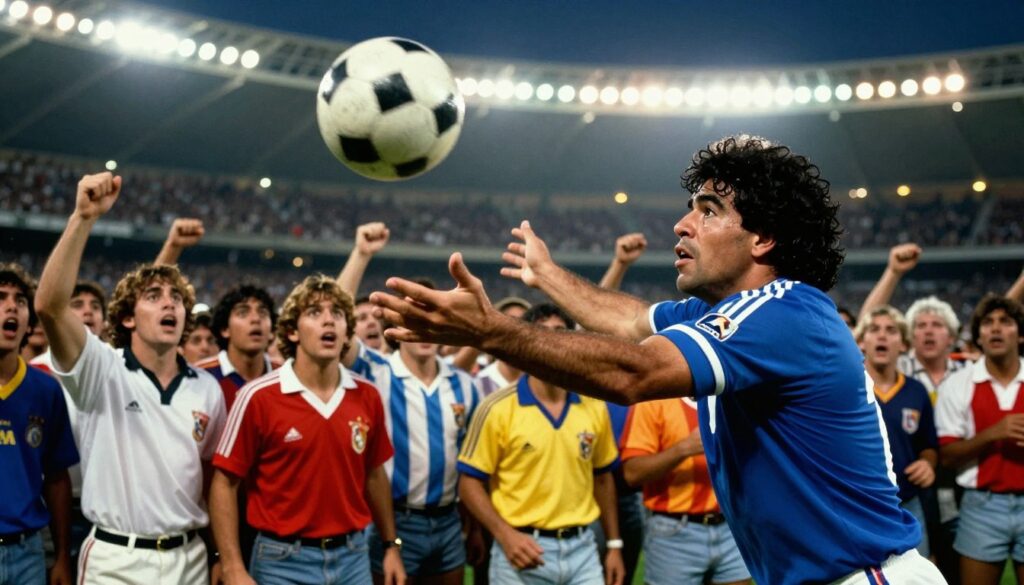
This incident remains a part of football history, illustrating how a simple ball can carry the weight of Las Malvinas and national pride. Even after the match ended, the debate over the Hand of God continued, with Maradona later claiming it was the hand of Diego.
Legacy and Maradona’s Enduring Influence
The infamous play that captivated the world has left a lasting mark on football. Diego’s unique style and controversial actions transformed him into a symbol of genius in the sport. His legacy continues to inspire both players and fans, proving that moments of brilliance can be remembered for years.
Even after his passing in 2020, the influence of this iconic player remains strong. The Hand of God phrase is now widely used to describe similar controversial moments in football. This reflects how a single event can resonate beyond its immediate context, shaping discussions about sportsmanship and ethics.
As time goes on, fans still analyze the referee’s decisions and the implications of that match. The ball used in the game has become a valuable piece of history, auctioned for millions. It serves as a reminder of how one incident can capture the imagination of the world.
- The legacy of the controversial goal continues to influence football culture.
- Decades later, fans still discuss the referee’s role and Maradona’s impact.
- Even at the end of his life, he was remembered for his incredible talent.
- This incident is frequently referenced in professional games involving handballs.
- The ball from the match highlights its significance in sports history.
| Year | Event | Significance |
|---|---|---|
| 1986 | Hand of God Goal | Controversial moment in football history |
| 2020 | Maradona’s Passing | Legacy remembered worldwide |
| 2021 | Ball Auctioned | Valued as a historical artifact |
Conclusion
The match between Argentina and England on June 22, 1986, marked a pivotal moment in sports history. The goal scored during this game remains one of the most iconic and debated moments in professional football.
Diego’s actions transformed a simple game into a historical event, filled with political and emotional significance for his nation. Although the goal was technically illegal, it solidified his status as a complex genius capable of changing the outcome of any match.
This incident serves as a reminder of how human error and intense national pride can shape the narrative of the World Cup. Decades later, the story continues to captivate new generations of fans who study the legendary footballer’s career.
FAQ
What was the significance of the 1986 World Cup match between Argentina and England?
How did the referee and linesman react during the controversial play?
What impact did the Falklands War have on the match?
How did the media cover the incident?
What was the reaction from fans and players after the match?
How has this moment influenced football culture today?
Related Articles
1986 FIFA World Cup | Maradona’s World Cup Legacy | 10 Greatest Goals in World Cup History | Argentina at the World Cup | Maradona 1986: The Original Article