
The journey of the national team in international football began in 1930, when they participated in the inaugural FIFA tournament held in Uruguay. Since then, this team has made its mark, winning two prestigious titles in 1998 and 2018. This remarkable achievement places them among the elite few who have triumphed more than once.
Known as Les Bleus, the squad has shown its strength by reaching the finals four times. Each match played is a testament to their resilience and skill. Fans often reminisce about the exhilarating moments, especially during the 2022 tournament in Qatar.
Whether as hosts or competitors, the side has consistently demonstrated its ability to win against formidable opponents. This guide delves into the thrilling results of past tournaments, the dramatic penalties in finals, and the legacy left by these champions.
Key Takeaways
- The national team first competed in the inaugural FIFA tournament in 1930.
- They have won two titles and reached the finals four times.
- Fans cherish the team’s remarkable moments, including the 2022 tournament.
- The side has proven its mettle both at home and abroad.
- This guide explores the thrilling results and legacy of the champions.
Overview of France World Cup history
The first appearance of the national team in international football occurred in 1930 at the inaugural FIFA tournament. Since then, this team has proven its prowess on the global stage. They are among the elite nations that have won the prestigious title, securing victories in 1998 and 2018.
Throughout their journey, the team has reached the finals four times, including the recent 2022 FIFA event in Qatar. Their resilience shines through, as they have also finished as runners-up in 2006 and 2022, and achieved third place in 1958 and 1986.
Challenges have been a constant companion, with the side often relying on penalties to determine their fate in crucial matches. Analyzing their performances provides insight into how they have become one of the most respected teams in the sport.
| Year | Stage | Result |
|---|---|---|
| 1930 | Group Stage | Did not advance |
| 1998 | Final | Champions |
| 2006 | Final | Runners-up |
| 2018 | Final | Champions |
| 2022 | Final | Runners-up |
Early Beginnings and Inaugural Tournaments
In 1930, the national team took its first steps onto the international stage during the inaugural FIFA tournament. They made a memorable debut by defeating Mexico 4-1, with Lucien Laurent scoring the first goal in the tournament’s history. This match marked a significant moment for the team, showcasing their potential.
However, the team faced challenges in the group stage. They struggled against Argentina and Chile, which resulted in their early exit from the tournament. In 1934, during the next tournament, the men representing the side were eliminated by Austria in a close match that ended 3-2.
As hosts of the 1938 event, the team reached the quarter-finals, but they fell to Italy. This result was a defining moment, illustrating both the pressures and the learning curve involved in international competition.
These foundational matches set the stage for future tournaments. They were a time of growth for the team, where every penalty and goal could change the course of their history.
| Year | Match | Result |
|---|---|---|
| 1930 | vs. Mexico | 4-1 Win |
| 1930 | vs. Argentina | Loss |
| 1930 | vs. Chile | Loss |
| 1934 | vs. Austria | 3-2 Loss |
| 1938 | vs. Italy | Quarter-finals Loss |
Rise to Prominence: The 1958 World Cup Campaign
The 1958 tournament marked a pivotal moment for the national team. It showcased their talent on the global stage, particularly through the remarkable performance of Just Fontaine. His record-breaking achievement of scoring 13 goals during the tournament remains unmatched in FIFA World Cup history.
In the semi-finals, the team faced Brazil, a match that ended in a disappointing 5-2 defeat. Despite this setback, the squad demonstrated resilience and skill throughout the tournament. They secured a significant victory against West Germany, winning 6-3 in the third-place match, solidifying their status as a formidable side.
This era not only highlighted the prowess of Fontaine but also included key players like Raymond Kopa and Jean Vincent. Their contributions were essential in establishing the French team as a respected competitor among the best teams globally.
| Match | Result | Goals by Fontaine |
|---|---|---|
| vs. Paraguay | 7-3 Win | 3 |
| vs. Brazil (Semi-Final) | 2-5 Loss | 1 |
| vs. West Germany (Third Place) | 6-3 Win | 2 |
Decades of Transition: The 1960s and 1970s Challenges
The 1960s and 1970s were marked by significant challenges for the national team as they sought to regain their footing on the international stage. This era was defined by a struggle to qualify for the FIFA tournament on multiple occasions.
After the 1966 tournament, where the side failed to pass the group stage, the team underwent several managerial changes to find the right path. The men in charge, including Henri Guérin, faced immense pressure as the team failed to secure a place in the finals.
Despite the talent available, the squad could not replicate the results of the 1958 tournament, leading to a period of transition. Every match during this era was a test of character, as the side tried to rebuild their reputation among the top teams.
The lack of success in the qualifiers meant that the team was often absent from the biggest stage in football. This period serves as a reminder that even the best teams face challenges, and the road to becoming champions is rarely a straight line.
| Year | Stage | Result |
|---|---|---|
| 1962 | Qualification | Did not qualify |
| 1966 | Group Stage | Did not advance |
| 1970 | Qualification | Did not qualify |
| 1974 | Qualification | Did not qualify |
| 1976 | European Championship | Did not qualify |
The Magic of the 1980s: Platini and the Carré Magique
The 1980s were a transformative decade for the national team, marked by a surge in talent and creativity. This era saw the emergence of the legendary midfield quartet known as the “Carré Magique.” This group included iconic players like Michel Platini, Giresse, Tigana, and Fernández, who collectively elevated the team’s performance on the global stage.
In the 1984 tournament, the squad shone brightly as they triumphed on home soil. Platini was the standout star, netting an impressive 9 goals throughout the competition. The team showcased their skills, ultimately defeating Spain 2-0 in the final, which solidified their status as champions.
However, the journey was not without its challenges. The team reached the semi-finals in both the 1982 and 1986 tournaments. In a dramatic 1982 World Cup match against West Germany, they faced a heartbreaking loss in penalties, a game often hailed as one of the greatest in football history.
Despite the setbacks, the side rebounded, achieving third place in the 1986 tournament by defeating Belgium 4-2. This era was a golden time for the team, proving they could command respect through their exceptional style of play.
| Year | Stage | Result |
|---|---|---|
| 1982 | Semi-Final | Lost on Penalties |
| 1984 | Final | Champions |
| 1986 | Third Place | 4-2 Win vs. Belgium |
Zidane’s Era: The 1998 World Cup Triumph
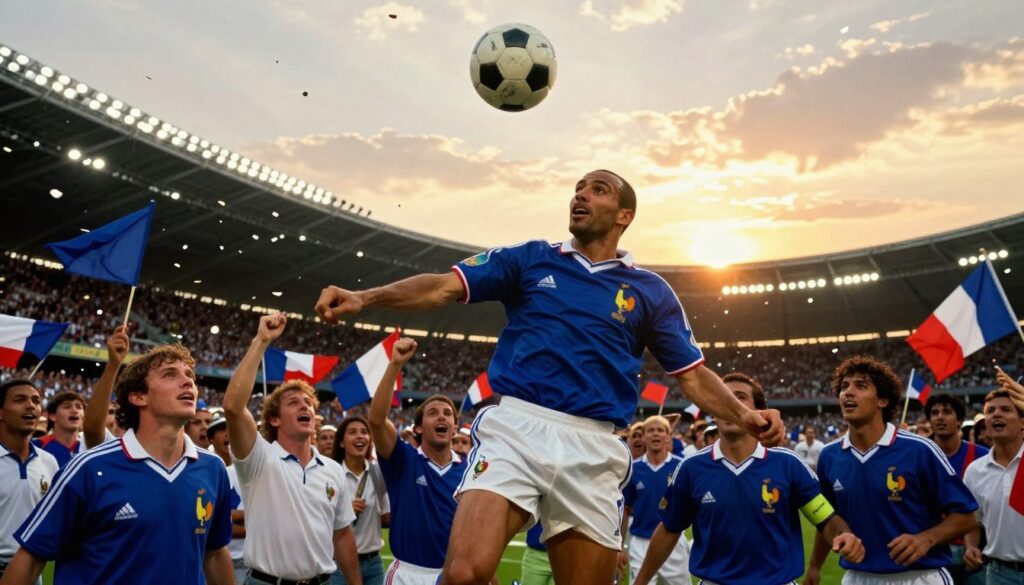
The late 1990s marked a defining moment for the national team, culminating in their remarkable success at the FIFA tournament. In 1998, they captured their first title by defeating Brazil 3-0 in the final. This victory was not just a win; it was a celebration of football in front of their home fans.
During the final match, Zinedine Zidane emerged as a national hero, scoring two pivotal goals. His performance cemented his legacy as one of the greatest men in football. Additionally, Emmanuel Petit sealed the victory with a third goal, ensuring the team’s triumph.
As hosts, the team navigated both the group and knockout stages with confidence. The final match against Brazil showcased their tactical discipline and clinical finishing. This win was a historic achievement, proving they could triumph against the most successful teams.
Every match in the tournament was a step toward glory, culminating in a performance that left a lasting impact on the team’s legacy. The triumph of 1998 changed perceptions of the side, setting a benchmark for future teams.
Building the Legacy: Post-1998 and Early 2000s
The early 2000s saw the team building on its previous success, showcasing its dominance in European football. Following their 1998 triumph, the squad continued to shine, winning Euro 2000 in a dramatic final against Italy. David Trezeguet scored the golden goal in extra time, a moment that defined the team as the best in the world at the time.
The men on the squad also secured victories in the 2001 and 2003 FIFA Confederations Cups, proving their consistency in every tournament. This era marked a high point for the team, as they were ranked number one in the FIFA World Rankings after Euro 2000.
However, the team faced challenges during the 2002 FIFA tournament. They struggled in the group stage and failed to advance to the next stage. This period was a mix of highs and lows, as the side tried to maintain their status as champions after their first title.
Every match during these years was scrutinized, as fans expected the team to win world titles with the same ease as in 1998. The legacy built during this time helped the French team remain a top contender, even when results in the world cup were disappointing.
| Year | Tournament | Result |
|---|---|---|
| 2000 | Euro | Champions |
| 2001 | Confederations Cup | Champions |
| 2003 | Confederations Cup | Champions |
| 2002 | World Cup | Group Stage |
Controversial Moments: The 2006 Final and Beyond
The 2006 FIFA tournament became a stage for unforgettable moments, highlighting both triumph and controversy for the national team. The final match against Italy is particularly remembered for its intense drama and the red card issued to Zinedine Zidane for a headbutt.
During this match, Marco Materazzi equalized for Italy, leading to a tense 1-1 draw after extra time. The outcome was decided by penalties, where the men on the team lost 5-3. This heartbreaking result marked the end of Zidane’s illustrious career, as it was his final appearance for the side.
Despite the controversy surrounding the final, the team’s performance throughout the tournament was commendable. They demonstrated resilience and skill, competing fiercely against some of the best teams in the world.
Every match in 2006 was a testament to their determination, even if the final result was not what they had hoped for. Fans still discuss the events of that final match, as it remains one of the most talked-about moments in the tournament’s lore.
Recovery and Rebuilding: The 2010 World Cup Setbacks
The 2010 tournament was a challenging chapter for the national team, filled with unexpected setbacks. They faced elimination in the group stage, a low point that shook the foundation of the squad. Internal conflicts emerged, most notably when Nicolas Anelka was dismissed from the team, leading to a training boycott that drew negative publicity.
Every match in South Africa reflected the turmoil within the side. The team lost 2-1 to South Africa in their final group match, sealing their fate early. Manager Raymond Domenech faced immense pressure as the team struggled to perform under the spotlight.
This period serves as a lesson for all teams, showing that unity is just as important as talent in the tournament. Despite the disappointment, the team eventually found their way back, proving that they could overcome even the toughest challenges.
Leadership and discipline became essential as the federation worked to restore their reputation after this event. The recovery process began with a renewed focus on teamwork and strategy, setting the stage for future success.
| Match | Result | Notes |
|---|---|---|
| vs. Uruguay | 0-0 Draw | Disappointing start |
| vs. Mexico | 0-2 Loss | Increased pressure |
| vs. South Africa | 1-2 Loss | Eliminated from group stage |
Revitalization Under Didier Deschamps
The national team experienced a renaissance under the guidance of Didier Deschamps, leading to their remarkable success in 2018. This era marked a significant turnaround, as the squad showcased their talent and tactical discipline throughout the tournament.
In the final match, the men on the squad defeated Croatia 4-2, securing their second title. This victory was a testament to their hard work and determination. Deschamps, who had previously won the tournament as a player, became one of the few men to achieve this dual honor.
Key moments during the tournament included Samuel Umtiti’s winning goal in the semi-final against Belgium. Every match demonstrated the strength of the side, proving they could compete with the best teams in the world.
- Under Deschamps’ leadership, the team revitalized, leading to their second world cup win.
- The final match showcased their skills, defeating Croatia 4-2.
- This tournament was a masterclass in tactical discipline.
- Every match highlighted the side’s ability to win against top-tier teams.
- The 2018 victory was a proud moment for the nation, marking a new chapter in their journey.
World Cup Finals: Glory, Heartbreak, and Rivalries
The final matches of the tournament have defined the legacy of the national team, showcasing both their triumphs and heartaches. Over the years, they have reached the finals in 1998, 2006, 2018, and 2022, each time facing intense competition.
In the thrilling 2022 FIFA tournament, the men on the team faced Argentina, resulting in a dramatic penalty shootout after a 3-3 draw. This match highlighted the emotional rollercoaster of finals, where every moment counts.
Each final match is a test of nerves, as the side competes against the best teams to become champions of the world. Rivalries have developed over time, particularly against teams like Brazil and Italy, adding to the excitement of these encounters.
“Every final is a chance to win world recognition,” said a former player, reflecting on the pressure and prestige of these matches. The penalty drama of the 2006 and 2022 finals shows that even the best teams can fall at the final hurdle of the tournament.
Ultimately, the results of these finals have shaped the identity of the side, making them one of the most respected teams in international football.
Key Players Who Shaped the National Team
Key figures have played a vital role in shaping the national team’s success over the years. Legends like Zinedine Zidane, Thierry Henry, and Didier Deschamps have made significant contributions to the team’s legacy.
Zidane’s outstanding performance in the 1998 final match helped the team secure their first title as hosts. His two goals were pivotal in that historic victory. Similarly, Thierry Henry was instrumental in both the 1998 and 2006 campaigns, showcasing his skills on the world stage.
Didier Deschamps not only captained the 1998 team but also coached the squad to victory in 2018. His leadership has been crucial in shaping the team’s strategy and morale.
These players have defined the history of the side, showing that talent and leadership are essential to becoming champions. Their legacy continues to inspire generations of players in the national team.
We examine how these legends influenced the team’s performance in the group stage and the final stages of the tournament. Their contributions to the world cup are unmatched, making them iconic figures in the team’s journey.
Tactical Evolution and Game-Changing Strategies
The tactical evolution of the national team has been pivotal in securing victories across various tournaments. From the iconic “Carré Magique” in the 1980s to the balanced approach seen in 2018, the side has consistently adapted to the demands of each competition.
Aimé Jacquet introduced a defensive-minded strategy during the 1998 tournament, which proved successful. This approach allowed the team to secure their first title. Meanwhile, Didier Deschamps emphasized a balanced game plan in 2018, leading to another triumph.
The team’s ability to adjust tactics has been crucial in every match. Each tournament requires a different approach, and the men in charge have tailored their strategies to fit the strengths of the players. This flexibility has been a hallmark of their success.
Here are some key aspects of their tactical evolution:
- The “Carré Magique” revolutionized midfield play in the 1980s.
- Defensive strategies were key in 1998, allowing for a strong tournament run.
- Balanced tactics in 2018 showcased the depth of the squad.
- Adaptability has helped the team excel against various opponents.
- Every match’s strategy can be the difference between winning and losing.
| Year | Tactical Approach | Outcome |
|---|---|---|
| 1980s | “Carré Magique” | Successful midfield dominance |
| 1998 | Defensive Strategy | Champions |
| 2018 | Balanced Approach | Champions |
Impact of Hosting the World Cup on French Football Culture
The opportunity to host the tournament transformed the local football scene in many ways. France had the honor of hosting the FIFA tournament in 1938 and again in 1998. The latter event was particularly significant as it boosted the popularity of football across the nation.
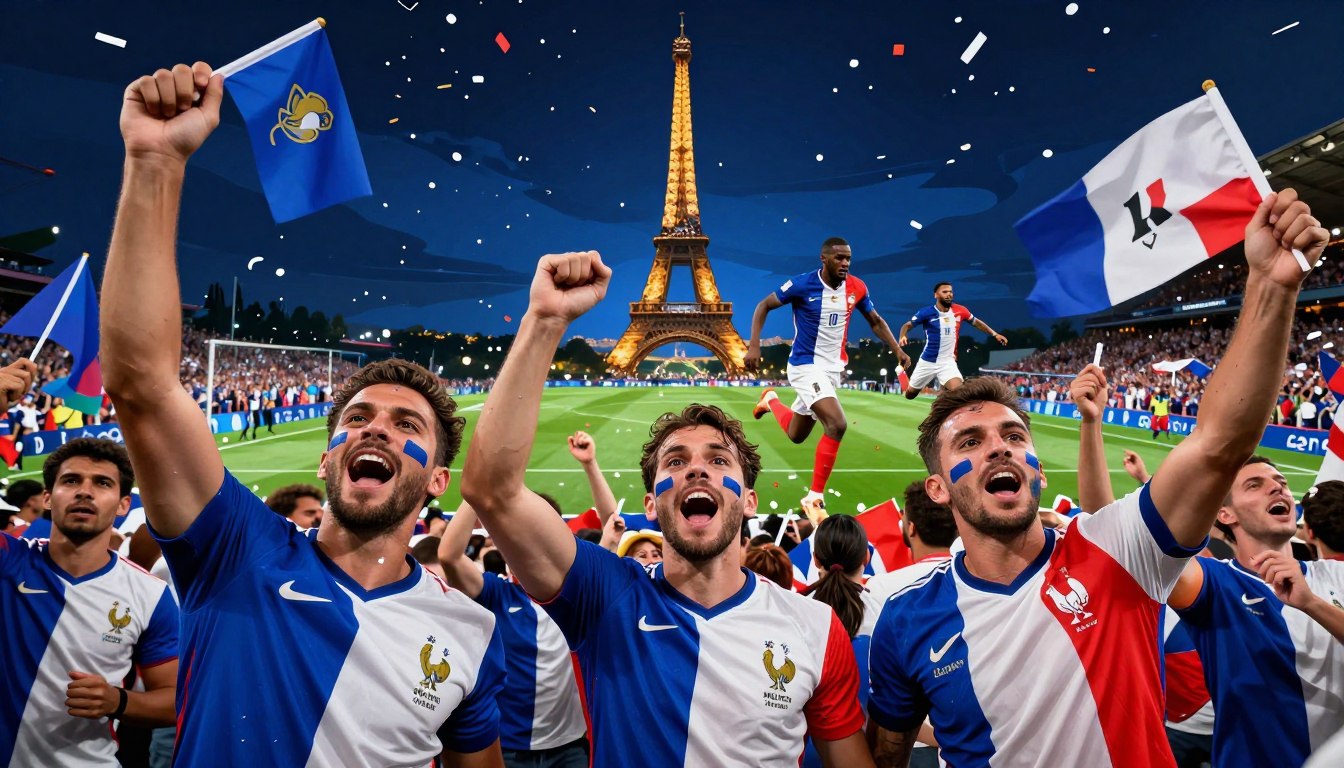
The Stade de France, built for the 1998 tournament, became a symbol of success. It hosted the final match where the team won their first title at home. This victory was not just a win; it was a celebration of football that united the country.
The men on the team felt the overwhelming support of the nation, which helped them navigate the group stage and the finals. Every match played at home was a festive occasion, showcasing the love for the sport.
Hosting the tournament changed the perception of the side, proving they could win titles in front of their fans. The legacy of the 1998 tournament continues to influence the culture of the sport, marking a proud time for the nation.
- Hosting the 1998 FIFA tournament had a profound impact on the culture of the sport.
- The Stade de France became a symbol of the success of the side.
- Every match played at home was a celebration of the sport.
- The results helped to unite the country behind the team.
- This section highlights the importance of home ground advantage.
Historical Rivalries and Memorable Matches
Rivalries in international football often shape the narrative of a team’s journey, and for this national team, intense competitions with Brazil, Italy, and Croatia have been particularly defining. The matches against these teams have not only been crucial for advancing in tournaments but have also added to the legacy of the side.
The 1998 final match against Brazil is a highlight, where the team emerged victorious, marking their first title. In contrast, the 2006 final against Italy ended in heartbreak, as they lost in a dramatic penalty shootout. These encounters illustrate the emotional highs and lows faced by the men on the squad.
Additionally, the 2018 final against Croatia showcased their resilience, resulting in another championship win. Each match against these rivals is a test of skill and character, proving the team’s ability to compete at the highest level.
As we analyze the results of these battles, it becomes clear that they have significantly influenced the team’s journey, building their reputation as formidable competitors in the world of football.
Essential Statistics and Record-Breaking Moments
The national team has a rich legacy in the FIFA tournaments, marked by numerous appearances and impressive achievements. They have participated in 17 FIFA World Cups, securing two titles in their history, specifically in 1998 and 2018.
One of the standout records is held by Just Fontaine, who scored an incredible 13 goals in a single tournament, a feat that remains unmatched. The men on the squad have also experienced both triumph and defeat throughout their journey.
France’s biggest win came in a thrilling 7-3 match against Paraguay in 1958. Conversely, their biggest defeat was a 5-2 loss to Brazil in the same year. These results highlight the highs and lows faced by the side over time.
Each match played by the team is recorded in the history books, showcasing their evolution and growth. The records set during both the group stage and finals reflect their quality and determination. This section provides an overview of essential statistics, illustrating what makes the team so successful.
The Road Ahead: Recent Campaigns and Future Prospects
The future appears bright for the national team as they gear up for the next FIFA competition. They have already qualified for the 2026 tournament, showcasing their continued prowess in international football.
The men on the squad will face challenges in Group I, playing against Senegal, Iraq, and Norway. These matches will test their skills and teamwork, providing an opportunity to demonstrate their strength.
Every match in the upcoming tournament will be a chance for the side to prove they are still among the best teams in the world. The team’s performance in recent matches indicates they have the talent and strategy to compete at the highest level.
- The road ahead looks promising with their qualification for the 2026 FIFA tournament.
- Upcoming matches against Senegal, Iraq, and Norway will be crucial.
- This tournament offers a chance to win world titles for the third time in their history.
- Fans are excited to see what the future holds for the team in the World Cup.
- Preparations for the tournament are underway, ensuring readiness for the challenges ahead.
Conclusion
The legacy of the national team is a powerful narrative filled with moments of triumph and resilience. From their initial participation in international tournaments to recent successes, the team has left an indelible mark. Winning world titles in 1998 and 2018 has solidified the status of the side as one of the most successful in the tournament.
Whether facing penalty drama in a final match or dominating the group stage, the men have always played with passion and pride. As we look to the future, the French team remains a top contender, ready to compete for more champions titles in the years to come.
The journey of this side is built on the hard work of players and coaches who have dedicated their time to the success of the team. We hope this guide has provided a clear understanding of their journey and their place in the world of football.
FAQ
What are the key achievements of the national team in international tournaments?
Who are some of the most iconic players in the team’s history?
What was the significance of the 1998 final match?
How did the team perform in the 2006 final?
What impact did Didier Deschamps have on the team?
How has hosting the tournament influenced the culture of football in the country?
What are some memorable rivalries the team has faced?
What are the team’s all-time records in the tournament?
What can fans expect from future campaigns?
Related Articles
1998 FIFA World Cup | 2018 FIFA World Cup | Zidane’s World Cup | Mbappé at the World Cup | All World Cup Winners