
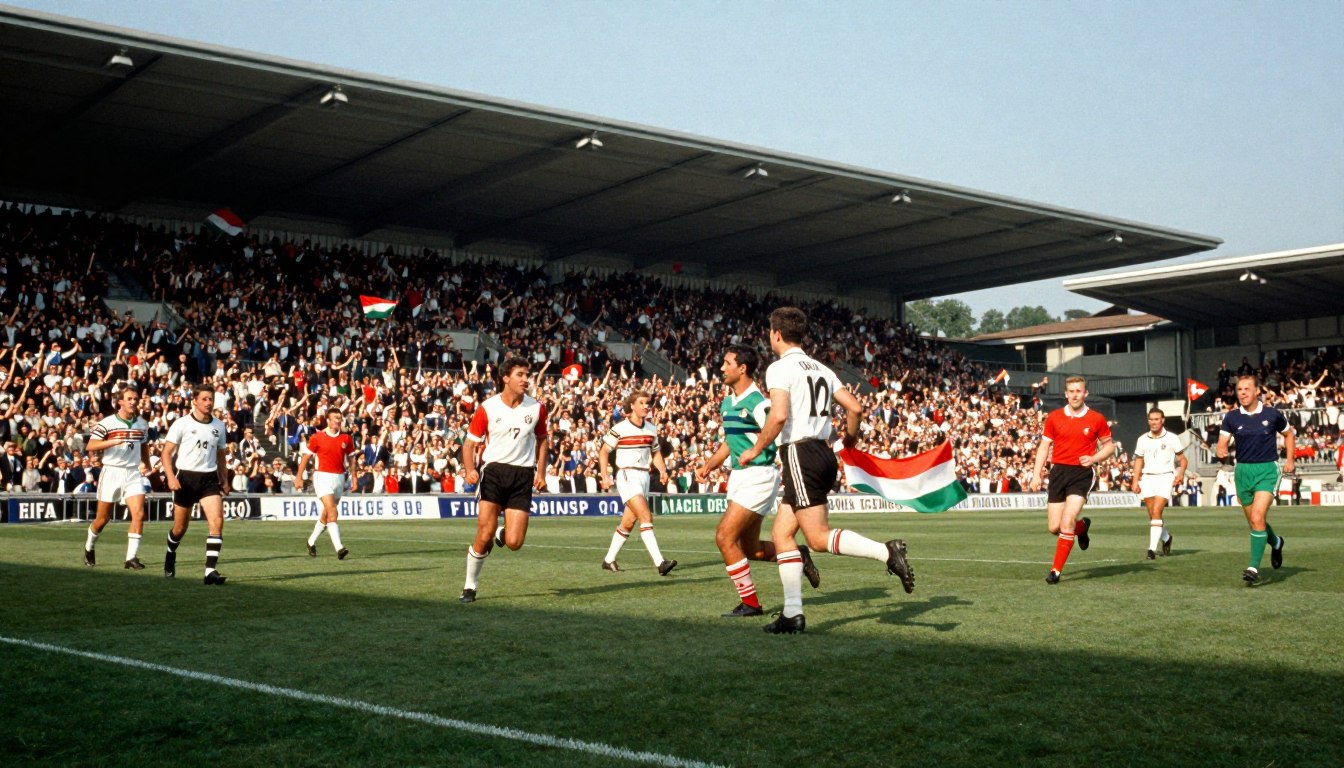

The 1954 FIFA World Cup was a landmark event in sports history. This tournament took place in Switzerland from June 16 to July 4, bringing together 16 national teams. Each team aimed for glory, but only one would emerge victorious. West Germany faced Hungary in a thrilling final that ended with a score of 3-2, marking their first championship title.
This competition was not just about the matches played; it was about the stories that unfolded on the pitch. The tournament featured a total of 140 goals across 26 matches, showcasing an impressive average of 5.38 goals per game. Fans were captivated by the intense match scenarios and the group dynamics that defined the experience.
Join us as we explore the details of this remarkable tournament, from the referee’s decisions to the tactical innovations that shaped the game. The 1954 FIFA World Cup remains a defining moment in football history, forever altering the landscape of the sport.
Key Takeaways
- The 1954 FIFA World Cup marked the fifth edition of this prestigious tournament.
- Held in Switzerland, it featured 16 teams competing for the ultimate title.
- West Germany’s victory in the final highlighted their rise in global football.
- The tournament was notable for its high-scoring matches and thrilling gameplay.
- Key moments and referee decisions played a crucial role in the outcomes.
Introduction to an Unforgettable World Cup Story
A defining chapter in sports history unfolded during the remarkable tournament of 1954. This event was not just about the matches played; it represented a significant evolution in international football. As teams from various nations competed, the excitement grew, drawing in a staggering 768,607 spectators throughout the tournament.
Switzerland, the host nation, created an atmosphere that welcomed diverse teams and their passionate fans. The stories crafted on the pitch would be recounted for generations. West Germany showcased their resilience, battling through every match with determination and skill.
“The 1954 tournament was a turning point that set a high bar for future competitions.”
Each game was a testament to the talent of the teams involved, making it clear that this tournament would leave a lasting legacy in the world of football.
| Aspect | Details |
|---|---|
| Host Country | Switzerland |
| Total Spectators | 768,607 |
| Average Attendance | 29,562 per game |
| Key Theme | Resilience and Competition |
Historical Background and Host Selection
The selection of Switzerland as the venue for the 1954 tournament was a pivotal moment in football history. This decision was made during a meeting in Luxembourg City on July 22, 1946. Switzerland was awarded the tournament unopposed, setting the stage for a memorable series of matches.
As the host, Switzerland provided a welcoming atmosphere for teams and fans alike. The tournament saw the participation of many teams, including South Korea, which made its debut as the first independent Asian country to compete. This marked a significant milestone in the history of the competition.
Several teams returned to the tournament, including the resilient side of West Germany, who had been excluded from the previous event. Each match offered a chance for teams to showcase their skills and aim for the ultimate prize. The structure of the tournament ensured that only the best teams would compete, making every game crucial.
Understanding the Tournament Format and Group Stage Dynamics
Analyzing the format of the tournament uncovers the drama that unfolded. The competition was structured into four groups, each containing four teams. This unique arrangement meant that teams faced each other multiple times, creating intense rivalries and strategic matchups.
In the group stage, if matches ended in a draw after 90 minutes, extra time was played. This added a layer of excitement, as teams fought hard for every point. For instance, Switzerland and Italy required a playoff to determine who would progress, showcasing the high stakes involved.
Notably, the group stage produced surprises, particularly with South Korea’s impressive performance in their first tournament. The matches were critical for any team aiming to advance, making every game a battle for glory.
“Every match in the group stage was a crucial step towards the ultimate prize.”
| Group | Teams | Matches Required |
|---|---|---|
| Group 1 | Switzerland, Italy, Turkey, West Germany | Playoff needed |
| Group 2 | Hungary, Brazil, South Korea, Mexico | No playoffs |
| Group 3 | Argentina, Uruguay, Chile, Bolivia | No playoffs |
| Group 4 | England, Belgium, France, Austria | No playoffs |
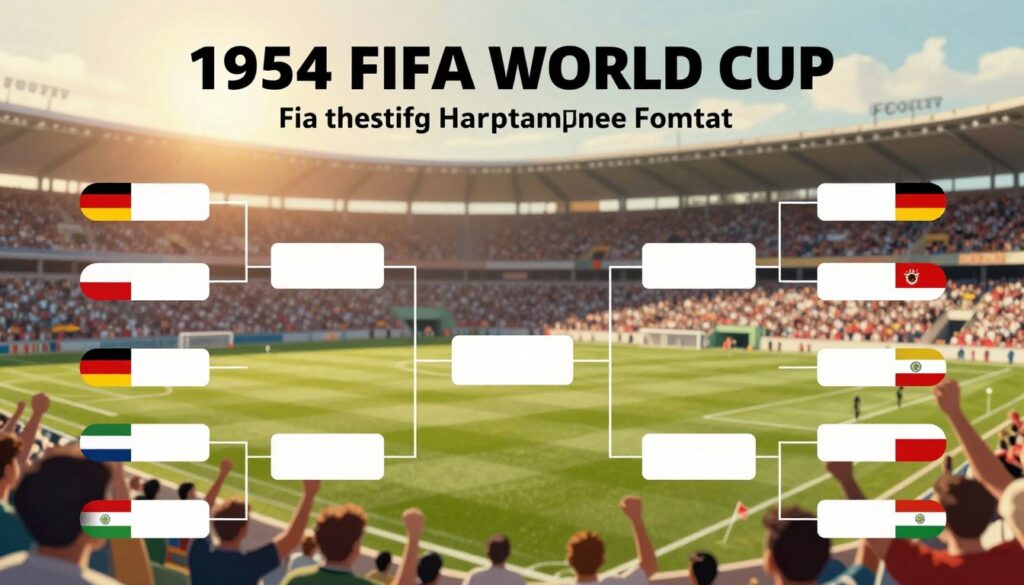
Standout Matches and Thrilling Moments
Standout matches during the tournament showcased thrilling moments that captivated fans. Among these, the encounter between Austria and Switzerland was particularly remarkable. This quarter-final match ended with a staggering score of 7-5, making it the highest-scoring game in the history of the tournament.
Another unforgettable moment was the Battle of Berne, where Hungary faced Brazil. Officiated by referee Arthur Ellis, this match was filled with intensity and fierce competition. It is remembered not only for its physicality but also for the dramatic display of skill from both teams.
Every match in the tournament offered excitement and unforgettable goals. The West Germany team closely observed these games, preparing for their own journey in the knockout stage. South Korea also gained valuable experience despite facing tough opponents.
| Match | Teams | Score |
|---|---|---|
| Quarter-Final | Austria vs Switzerland | 7-5 |
| Quarter-Final | Hungary vs Brazil | 4-2 |
| Group Stage | South Korea vs Turkey | 7-0 |
Key Players and Teams: Legends on the Field
Legends were born on the pitch during the unforgettable tournament of 1954. This event showcased remarkable talent, particularly from two captains: Fritz Walter and Ferenc Puskás. Each player left an indelible mark on their teams and the competition.
Fritz Walter led the West Germany team with inspiring leadership. His performance during the tournament was nothing short of exceptional. Meanwhile, Ferenc Puskás, the captain of Hungary, displayed incredible skill and determination.
- Fritz Walter’s guidance was crucial for West Germany’s success.
- Ferenc Puskás played through injury in the final, showcasing his dedication.
- The influence of these stars was evident in every match they played.
- South Korea’s players learned valuable lessons from facing these legends.
- Goals scored by Walter and Puskás defined the tournament’s narrative.
Every match in this tournament was a stage for these players to shine. The final was a fierce battle between the teams led by Walter and Puskás, solidifying their legacies in football history.
1954 FIFA World Cup: A Game Changer in Soccer History
The competition in 1954 marked a significant shift in the world of soccer. This tournament saw the rise of underdog West Germany, who triumphed against all odds. They emerged as champions, defeating the favored Hungary team in a stunning final.
Fritz Walter, the captain of West Germany, led his team with passion and determination. His leadership was vital in guiding the players through the intense matches. The final was a rematch of their earlier group stage game, where Hungary had previously won 8-3.
As the match unfolded, the stakes were high. West Germany’s victory was not just a win; it was a historic upset that changed the narrative of the tournament. This final remains one of the most famous matches in the history of the tournament.
- The final saw West Germany emerge as the winners, defeating the favorites.
- Fritz Walter captained the West Germany side to their first title.
- Ferenc Puskás and his team were heavily favored but faced a surprising defeat.
- The referee played a crucial role in overseeing this monumental match.
- This final was a defining moment in the history of the tournament.
| Aspect | Details |
|---|---|
| Final Match | West Germany vs Hungary |
| Score | 3-2 |
| Captain of West Germany | Fritz Walter |
| Captain of Hungary | Ferenc Puskás |
Controversies, Tactics, and Innovations
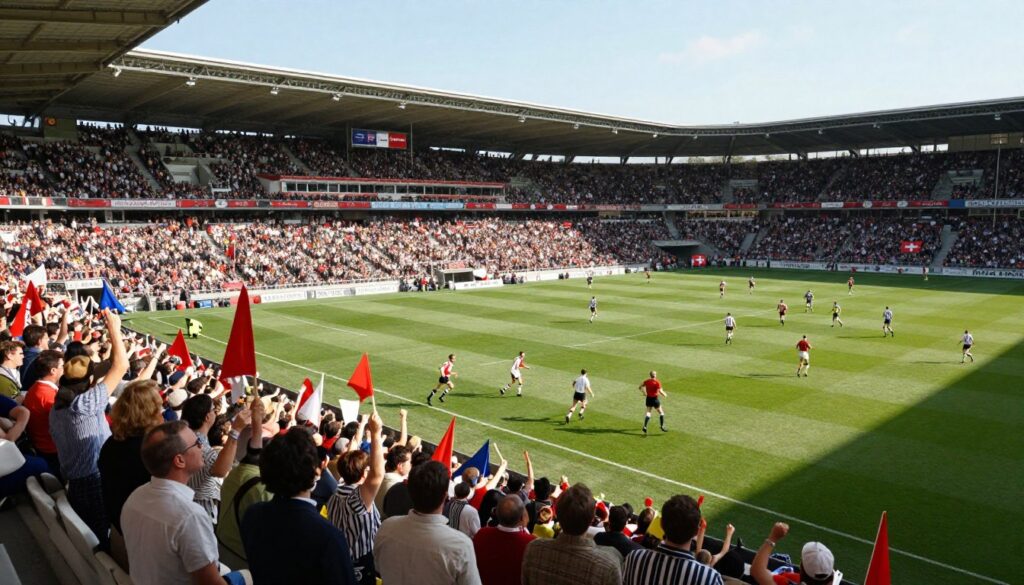
The tournament of 1954 brought to light various controversies and tactical innovations that influenced matches. Refereeing decisions often sparked heated debates among fans and analysts alike. A notable moment occurred in the final when a late goal by Ferenc Puskás was disallowed for offside in the final two minutes. This call remains a point of contention for many.
Weather conditions also played a crucial role in the tournament. The final was played in rain, which became known as “Fritz Walter’s weather.” This impacted the gameplay, forcing teams to adapt their strategies. Additionally, innovative gear was introduced, such as the shoes with exchangeable studs provided by Adi Dassler of Adidas, which gave West Germany an edge.
“The 1954 FIFA World Cup remains a tournament where refereeing and innovation played a major role.”
Every match in this tournament saw teams adjusting to the conditions, making tactical shifts essential. The referee’s decisions, especially during intense moments like the Battle of Berne, added layers of drama to the matches.
| Aspect | Details |
|---|---|
| Controversial Call | Disallowed goal by Puskás |
| Weather Impact | Rainy conditions in the final |
| Innovative Gear | Shoes with exchangeable studs |
Records, Statistics, and the Enduring Legacy
The tournament not only produced thrilling matches but also set records that would be remembered for decades. One of the standout achievements was Sándor Kocsis, who scored an impressive 11 goals, a record for this international event. Additionally, Hungary’s remarkable 9-0 victory against South Korea remains the largest margin of victory in the history of the tournament.
The legacy of this competition extends beyond just statistics. It significantly influenced modern football, showcasing the evolution of tactics and player performances. The final match between West Germany and Hungary is a key part of football stories, illustrating the dramatic turn of events that defined this era.
Moreover, the records established during this tournament are still studied today. They serve as benchmarks for teams aiming for success in future competitions. The innovations in gear and ball technology introduced during this time also transformed how the game is played.
| Record | Details |
|---|---|
| Sándor Kocsis Goals | 11 goals |
| Biggest Margin of Victory | Hungary 9-0 South Korea |
| Final Match | West Germany vs Hungary |
Conclusion
The tournament held in Switzerland became a historic milestone in international football. It crowned West Germany as the champions, showcasing the resilience and talent of the team. Teams like Hungary displayed incredible skill, making every match a thrilling spectacle.
Throughout this event, we explored pivotal moments, including key referee decisions and the final title match that defined this tournament. The legacy of this competition continues to influence future events, reminding us of the passion and drama that football brings.
Every game played in this tournament contributed to its unforgettable narrative. The 1954 competition was a blend of skill, tactics, and a bit of luck, making it a cherished chapter in sports history.
We hope this guide has provided a clear understanding of this historic event.
FAQ
What was the significance of the 1954 tournament?
Which teams participated in the group stage?
Who were some of the standout players in the tournament?
What were some memorable matches from the tournament?
How did the weather affect the games?
What innovations emerged from this tournament?
How did the refereeing decisions impact the matches?
What is the lasting legacy of the 1954 tournament?
Explore More World Cup History
← 1930 FIFA World Cup | 1958 FIFA World Cup → | Complete World Cup History | All World Cup Winners | Germany at the World Cup