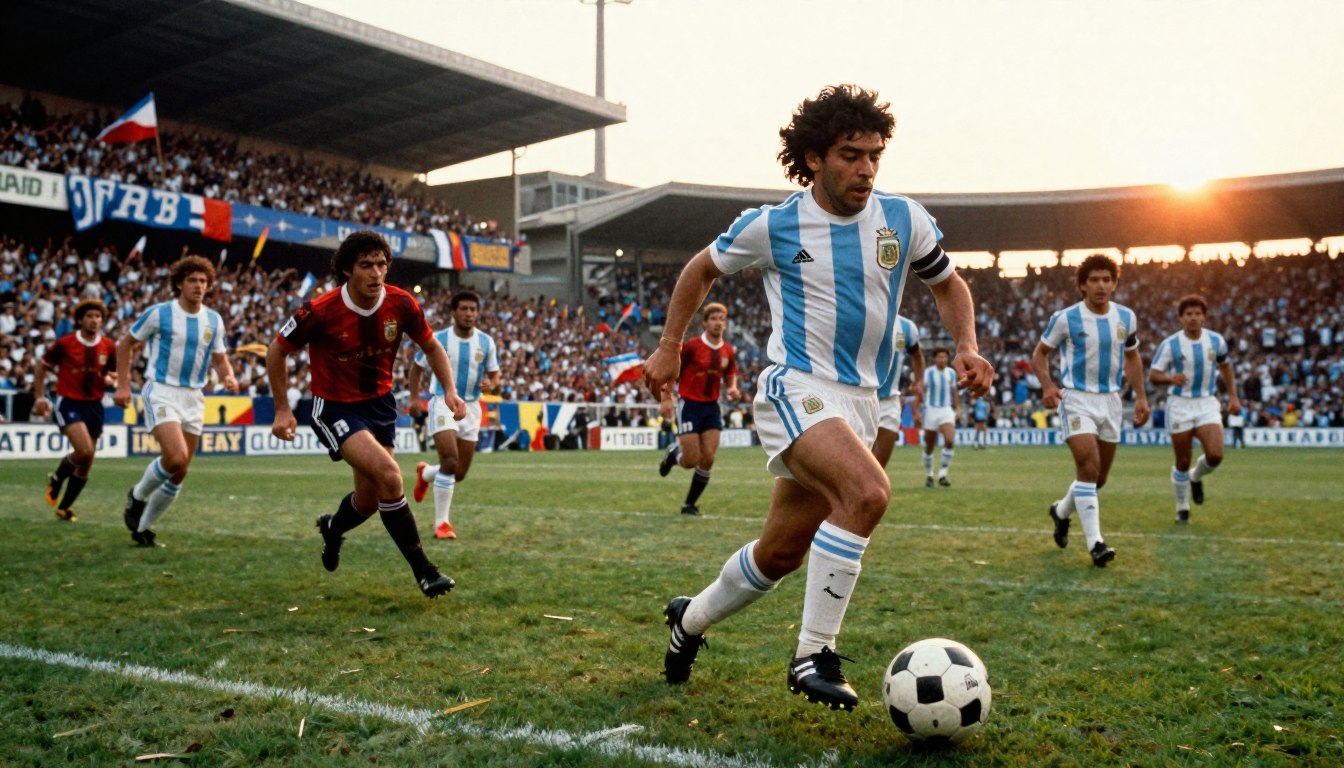

The tournament held in Mexico from May 31 to June 29, 1986, is a pivotal moment in football history. It showcased the incredible talent of Diego Maradona, who led Argentina to victory. The excitement was palpable as 24 teams from various confederations competed for glory.
Fans around the globe watched with bated breath as the matches unfolded. Argentina’s triumph over West Germany in the final, with a score of 3-2, marked their second title. This tournament is remembered not just for the matches but for the unforgettable moments that defined it.
With a total attendance of over 2.3 million spectators, the event brought people together, celebrating the spirit of the sport. Our guide will delve into how this iconic tournament shaped the legacy of football, influencing generations of players and fans alike.
Key Takeaways
- The tournament featured a stunning performance by Diego Maradona.
- Hosted in Mexico, it brought together 24 national teams.
- Argentina claimed their second title, defeating West Germany.
- It remains a memorable chapter in football history.
- Over 2.3 million fans attended the matches, showcasing global passion.
Overview of the 1986 FIFA World Cup
In the summer of 1986, Mexico became the stage for a historic tournament that captivated football fans worldwide. This remarkable event showcased the best of international talent and left a lasting impression on the sport.
Throughout the tournament, a total of 52 matches were played, highlighting the fierce competition among the teams. The average attendance per match was an impressive 46,039, demonstrating the passion for the sport in the host nation.
Event Highlights and Key Facts
- The tournament spanned exactly one month, from May 31 to June 29.
- Gary Lineker emerged as the top scorer, netting 6 goals and securing the Golden Boot.
- Enzo Scifo was recognized as the best young player, marking a new era for emerging talents.
- This edition showcased the tactical evolution of the sport on a global stage.
- The vibrant atmosphere in Mexico made it a memorable chapter in football history.
Tournament Timeline and Impact
The 1986 FIFA World Cup Mexico not only provided thrilling matches but also set the foundation for future tournaments. It highlighted the growing popularity of football and inspired generations of players and fans alike.
Historical Context and Host Selection
The path to the 1986 tournament involved a surprising withdrawal and a quick transition to a new host. Originally, Colombia was awarded the prestigious event in 1974. However, economic challenges led to their resignation in November 1982.
Mexico stepped in to host the 1986 FIFA World Cup, utilizing their previous experience from the 1970 tournament. This decision came in May 1983, allowing them to prepare on short notice.
During the bidding process, the United States and Canada also submitted proposals. Ultimately, Mexico was selected, solidifying its status as the first country to host the event twice.
FIFA President João Havelange played a pivotal role in this selection, ensuring the tournament could proceed smoothly despite logistical hurdles.
| Year | Host Country | Significance |
|---|---|---|
| 1970 | Mexico | First World Cup hosted in North America |
| 1986 | Mexico | First country to host twice |
| 2026 | USA, Canada, Mexico | Joint hosting for the first time |
Maradona: The Iconic Leader
Diego Maradona’s leadership during the tournament left an indelible mark on football history. His performance was nothing short of legendary, especially in the quarter-final against England.
In that match, Maradona scored the infamous “Hand of God” goal, a moment that still sparks debate and admiration. But he didn’t stop there; he also delivered the “Goal of the Century” by dribbling past four defenders to score a breathtaking goal.
Beyond his scoring prowess, Maradona was a master playmaker. He created five goals for his teammates, showcasing his ability to elevate the entire team. Under his captaincy, Argentina remained unbeaten throughout the tournament, a testament to his influence.
Fans continue to celebrate the impact of Maradona on the 1986 tournament, marking it as the pinnacle of his career. His legacy in Argentine football is profound, inspiring future generations of players.
Tournament Structure and Format
The structure of the tournament was a groundbreaking evolution in competitive football. In 1986, the competition featured 24 teams, divided into six groups of four. This innovative format allowed for a more dynamic group stage, enhancing the excitement for fans.
The top two teams from each group, along with the four best third-place finishers, advanced to the knockout stage. This ensured that many strong teams continued their journey in the tournament. For the first time, the second round was played as a direct knockout round, adding a thrilling edge to the matches.
To maintain fairness, all final group matches were scheduled to start simultaneously. This prevented any potential collusion among teams vying for advancement. The evolution of the tournament format set a standard for future competitions, emphasizing competitive balance and excitement.
Group Stage Highlights
The group stage of the tournament was filled with unexpected outcomes and thrilling matches. Teams from around the globe showcased their talents, leading to memorable moments that captivated fans.
Memorable Matches and Surprises
Several key matches stood out during the early rounds:
- Denmark achieved a perfect record, winning all three of their group stage matches.
- Morocco made history by becoming the first African team to advance past the group stage.
- Italy, the defending champions, faced an early exit after losing to France in the round of 16.
- Scotland was eliminated following a tense 0-0 draw with Uruguay.
Notable Team Performances
The group stage of the 1986 tournament was marked by intense competition. Each group provided unique narratives that defined the early stages of the tournament. Fans were left in awe of the surprises and performances that unfolded.
Knockout Rounds Drama
The knockout rounds of the tournament were nothing short of exhilarating. Each match brought high-stakes excitement, showcasing the intensity of competition among the best teams. Fans were on the edge of their seats as the drama unfolded.
One of the standout moments was Belgium’s thrilling 4-3 victory over the Soviet Union in extra time. This match highlighted the unpredictable nature of knockout football. France also made headlines by eliminating the defending champions, Italy, with a solid 2-0 performance.
Spain’s dominant 5-1 win against Denmark further emphasized the fierce competition in this tournament. Meanwhile, West Germany secured a narrow 1-0 victory over Morocco, thanks to a late goal from Lothar Matthäus. These matches not only defined the knockout stages but also showcased the resilience and skill of the world’s best teams.
- The knockout matches of the tournament delivered high-stakes drama, including Belgium’s 4-3 victory over the Soviet Union.
- France demonstrated their strength by knocking out the defending champions, Italy, in the round of 16.
- Spain’s 5-1 win over Denmark remains one of the most dominant knockout matches in tournament history.
- Lothar Matthäus scored a crucial goal for West Germany to narrowly defeat Morocco.
- These knockout matches defined the tournament, showcasing the resilience and skill of the best teams.
The World Cup Final: Argentina vs. West Germany
Argentina’s journey culminated in a thrilling final against West Germany, a game that would be remembered for ages. The match took place at the iconic Estadio Azteca, where 114,600 fans gathered to witness history.
José Luis Brown opened the scoring for Argentina, igniting the crowd’s enthusiasm. Following him, Jorge Valdano extended the lead, putting Argentina in a strong position. However, West Germany fought back valiantly, with goals from Karl-Heinz Rummenigge and Rudi Völler, bringing the score to 2-2.
In a dramatic twist, Jorge Burruchaga netted the winning goal, securing Argentina’s second title. This match not only showcased the skills of both teams but also highlighted the intense rivalry that made the final unforgettable.
Match Summary and Decisive Moments
- The 1986 fifa world cup final saw Argentina triumph over west germany in a thrilling 3-2 match at the Estadio Azteca.
- José Luis Brown opened the scoring, followed by Jorge Valdano, before jorge burruchaga netted the winner for the 1986 fifa world cup.
- West germany fought back with goals from Karl-Heinz Rummenigge and Rudi Völler, but could not overcome the Argentine side.
- With 114,600 fans in attendance, the 1986 fifa world cup final remains one of the most iconic games in football history.
- Referee Romualdo Arppi Filho officiated the 1986 fifa world cup final, which solidified Argentina’s second world cup title.
Statistical Breakdown and Player Contributions
Throughout the match, both teams displayed remarkable skill and determination. Argentina’s victory was a testament to their teamwork and strategy, while West Germany’s resilience was equally commendable.
Iconic Venues and Stadiums
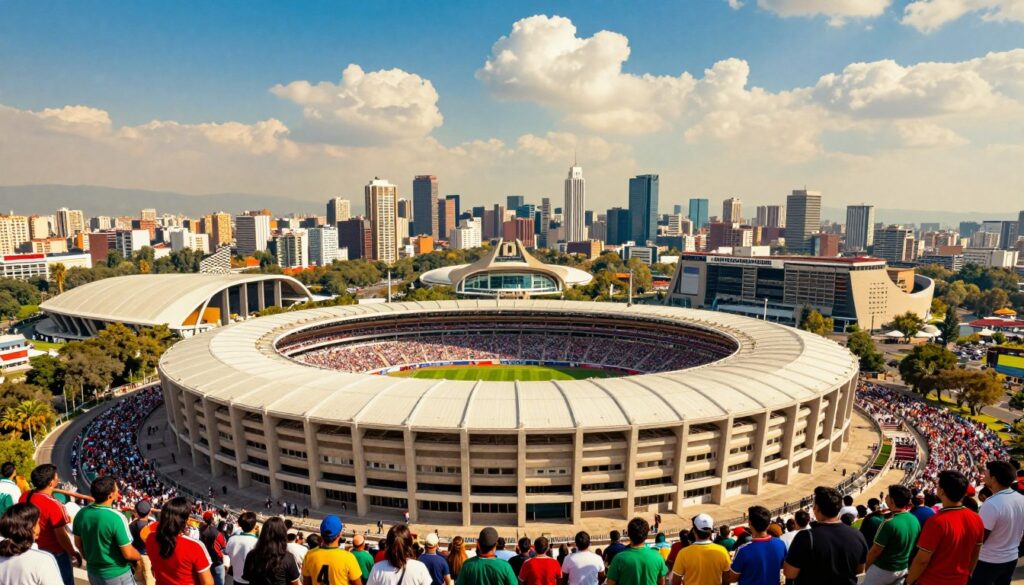
The diverse stadiums across Mexico created a vibrant atmosphere for fans and players alike. Central to this experience was the Estadio Azteca, which hosted nine matches, including the grand final. With a capacity of 114,600, it provided an electric setting for the tournament.
Mexico City served as the heart of the event, featuring a total of 13 matches across various historic venues. Other notable stadiums included the Estadio Olímpico Universitario and Estadio Jalisco, each contributing to the unique ambiance of the competition.
The high altitudes and intense summer heat of Mexico posed challenges for players, making the matches even more thrilling. Fans traveling to Mexico City for the tournament experienced the true passion of a nation obsessed with football.
- Estadio Azteca served as the centerpiece of the tournament, hosting nine matches including the grand final.
- Located in Mexico City, the stadium provided an electric atmosphere with its massive capacity.
- Mexico City was the heart of the tournament, hosting 13 matches across its various historic stadiums.
- The tournament utilized iconic venues that challenged players with high altitudes and intense summer heat.
- Fans experienced the true passion of a nation obsessed with football during the event.
Key Players and Outstanding Performances
This iconic tournament highlighted remarkable performances that shaped the future of international football. Several players stood out, leaving their mark on the competition.
Gary Lineker earned the Golden Boot at the 1986 FIFA World Cup by scoring six goals for the English national team. His skill and precision made him a key figure in the tournament.
Diego Maradona was named the best player, showcasing unparalleled skill and vision on the pitch. His contributions were vital to Argentina’s success.
Another notable mention is Enzo Scifo, who was recognized as the best young player. His talent indicated a bright future for football.
Goalkeepers like Badou Zaki also shone during the tournament, making crucial saves that kept their teams in contention. Each standout player contributed to the reputation of the event for high-quality football.
| Player | Award | Contribution |
|---|---|---|
| Gary Lineker | Golden Boot | 6 goals for England |
| Diego Maradona | Golden Ball | Best player of the tournament |
| Enzo Scifo | Best Young Player | Emerging talent |
| Badou Zaki | Outstanding Goalkeeper | Crucial saves for Morocco |
Cultural Impact and Fan Phenomena
The 1986 tournament in Mexico was not just about football; it sparked a cultural revolution among fans. This event introduced the world to the Mexican Wave, a lively celebration that spread to stadiums globally. The excitement of fans rising in unison to cheer their teams created a sense of unity and joy that transcended borders.
Additionally, the tournament was held during the International Year of Peace, emphasizing the power of football to promote harmony. The official mascot, Pique, modeled after a chili pepper, and the match ball named Azteca, contributed to a unique cultural identity for the event.
Fans brought vibrant energy to every match, turning the tournament into a massive cultural celebration. The influence of this event continues to shape how fans engage with football today, highlighting the enduring legacy of the 1986 tournament.
- The 1986 event popularized the “Mexican Wave,” a phenomenon that is now common in stadiums worldwide.
- With its mascot “Pique” and the “Azteca” ball, the tournament created a distinct cultural identity.
- Celebrated during the International Year of Peace, it promoted unity through football.
- Fans infused matches with vibrant energy, making every game a cultural celebration.
- The global influence of this tournament is still felt in fan engagement today.
| Element | Description | Impact |
|---|---|---|
| Mexican Wave | A spectator phenomenon where fans rise in unison. | Created a sense of unity among fans worldwide. |
| Pique | The official mascot, inspired by a chili pepper. | Enhanced cultural identity of the tournament. |
| Azteca | The official match ball of the tournament. | Symbolized the vibrant spirit of Mexican culture. |
Legacy and Long-Term Impact on Football
The legacy of the tournament in Mexico continues to resonate within the world of football. Argentina’s long wait for another title finally ended in 2022, showcasing their enduring prowess on the international stage.
West Germany’s strong performance in the 1986 event set the stage for their eventual victory in the 1990 final. This rivalry has become a significant chapter in football history.
Tactical innovations seen during the tournament changed how teams approached both defensive and offensive strategies. The impact of these changes is still felt in modern football.
Franz Beckenbauer’s journey through the tournament highlighted the transition of legends from players to successful managers. His achievements serve as an inspiration for many in the sport.
The 1986 event remains a benchmark for tactical evolution and the enduring spirit of international competition. It has influenced generations of players and fans alike.
1986 FIFA World Cup: Reflections for the American Audience
The 1986 tournament in Mexico marked a significant turning point for soccer in the United States. Although the United States did not host the event, its impact was profound. The excitement surrounding the matches ignited a passion for soccer among American fans.
The proximity of the 1986 FIFA World Cup Mexico allowed fans in the United States to witness top-tier football. Many traveled to Mexico to experience the action firsthand, creating a buzz that resonated back home. This event helped build a solid foundation for soccer’s growth in the country.
What It Meant for U.S. Fans
Reflecting on the tournament, American fans recognize its importance in the history of the sport in North America. The lessons learned from the 1986 FIFA World Cup prepared the United States for its successful hosting of the 1994 tournament. This event served as a catalyst for the growth of professional soccer in the United States.
Comparative Impact on North American Soccer
The success of the tournament in Mexico influenced future North American bids. The excitement generated during the matches demonstrated the potential for soccer in the region. It also laid the groundwork for a more competitive soccer culture across North America.

Conclusion
The event held in Mexico in 1986 marked a transformative period for international football. This tournament remains a defining moment in history, showcasing the brilliance of players and the resilience of teams. From the intense matches in Mexico City to the final at Estadio Azteca, the excitement captivated fans worldwide.
Teams like the Soviet Union and Northern Ireland added depth to the competition, while referee decisions and penalty shootouts created lasting memories. The legacy of this tournament continues to influence modern football, from tactical innovations to the development of young players.
We hope this guide has provided a comprehensive look at the 1986 event, a tournament that truly changed the sport forever.
FAQ
What were the key highlights of the tournament?
How did the tournament format work?
What was the significance of the final match?
Which stadiums hosted the matches?
Who were the standout players?
How did this tournament impact football culture?
What legacy did the tournament leave behind?
Explore More World Cup History
← 1982 FIFA World Cup | 1990 FIFA World Cup → | Maradona’s World Cup Legacy | Argentina at the World Cup | The Hand of God: Maradona 1986